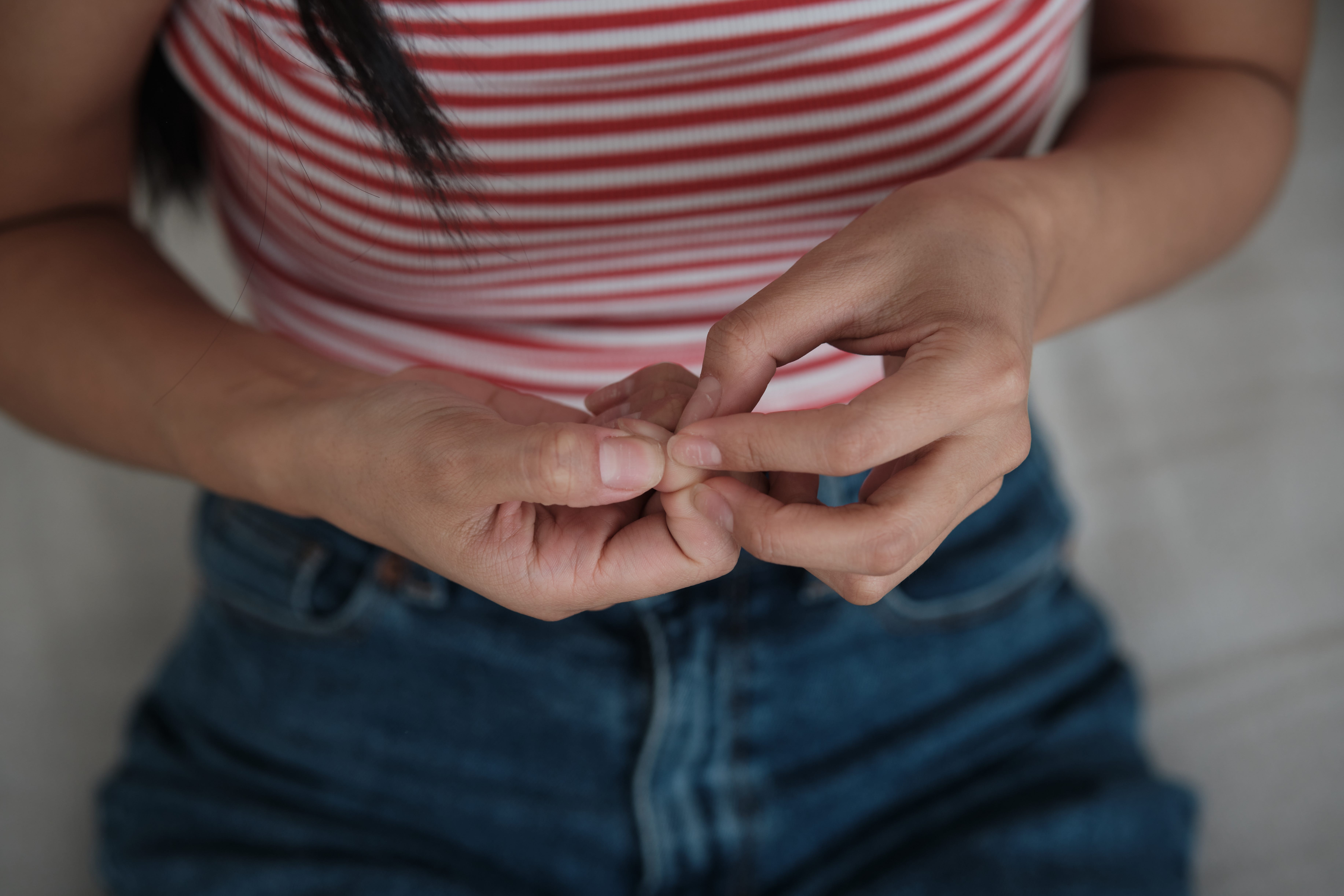
Flexible nails are generally normal, especially if you have always had them that way. Chris Adigun, M.D., a board-certified dermatologist and president of the Dermatology & Laser Center of Chapel Hill, explains that nail thickness and bendability vary widely among people, just as body height does. Flexible nails actually offer an advantage: they resist breakage better than rigid ones.
Nails naturally become thinner and bendier as you age, a normal part of the aging process. The nail matrix, a group of cells under the visible nail plate that produce keratin, produces fewer layers over time. This causes the thinning, dryness, and ridges you may notice with age.
However, sudden changes matter. If your nails shift from thick and hard to very thin and soft over months rather than years, consult a dermatologist. That pace of change does not fit normal aging, Dr. Adigun says. The same applies if your nails begin to split, chip, peel, or show layers of keratin peeling back. This condition, called brittle nails, affects about one in five people and occurs more often in women 50 and older, according to Brian Toy, M.D., a board-certified dermatologist at Providence Mission Hospital.
Some medical conditions also change nails. Spoon-shaped dents may signal low iron or vitamin B. Club-shaped nails that curve out at the ends can point to heart, lung, or digestive diseases, Dr. Adigun says.
To maintain nail health, moisturize daily with products containing plant-based oils rather than petroleum-based ones. Dr. Adigun recommends applying Doctor Rogers Restore Healing Balm daily. Avoid nail hardeners, which can make nails too rigid and prone to cracking. Skip polish with formaldehyde and acetone-based removers, as both strip oils from nails. Wear gloves when washing dishes. Biotin supplementation at 5,000 micrograms up to twice daily may also help, Dr. Toy says.