Elizabeth Corkum, an RRCA-, UESCA-, and USATF-certified run coach, says runners can achieve better marathon performances by training during seasons they enjoy rather than sticking to traditional spring and fall racing windows.
Most marathoners schedule races in spring or fall, but these seasons force peak training mileage during extreme weather. Fall and spring races require long runs and intense workouts during summer heat and humidity or winter cold and darkness. Corkum explains that runners doing heavy training in these conditions often wake at 4 a.m. to beat heat or run after dark to avoid cold.
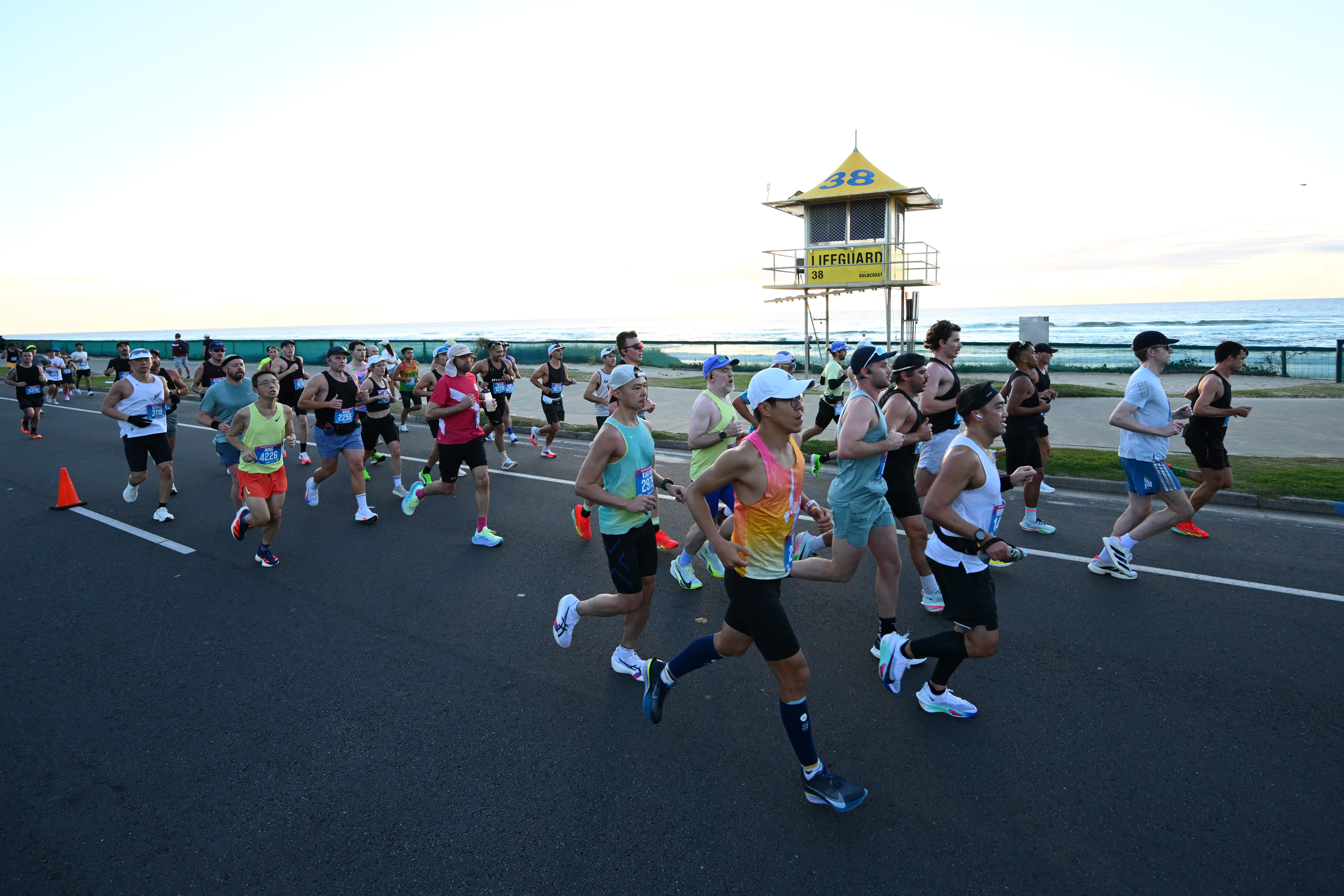
Switching to winter or summer races allows runners to complete their main training during milder months. Corkum suggests the California International Marathon in December or the Houston Marathon in January for runners who dislike summer heat. For those struggling through winter, she recommends Grandma's Marathon in June, the San Francisco Marathon in July, or the Gold Coast Marathon in July, which allow spring training in pleasant conditions.
Training in preferred seasons provides two benefits. Mentally, runners enjoy the process more and maintain consistency when conditions feel comfortable. Physically, the body responds better to milder weather. Corkum notes her heart rate runs 5 to 15 beats lower at the same effort in cooler months, making easy runs easier on her body. She typically handles 10 to 15 more miles weekly in October and November without requiring extra recovery.
A 2024 study in Sports Medicine analyzing data from more than 119,000 runners found that higher easy-running mileage correlated with faster race performances.
Corkum cautions that good race-day weather remains unpredictable. She recommends runners research average temperatures and dew points for a specific race over 10 years and incorporate heat training like sauna or hot-tub exposure if their training won't naturally prepare them for warm conditions. She also suggests runners adapt pacing and fueling strategies if race-day conditions prove different than expected, rather than forcing a predetermined effort.