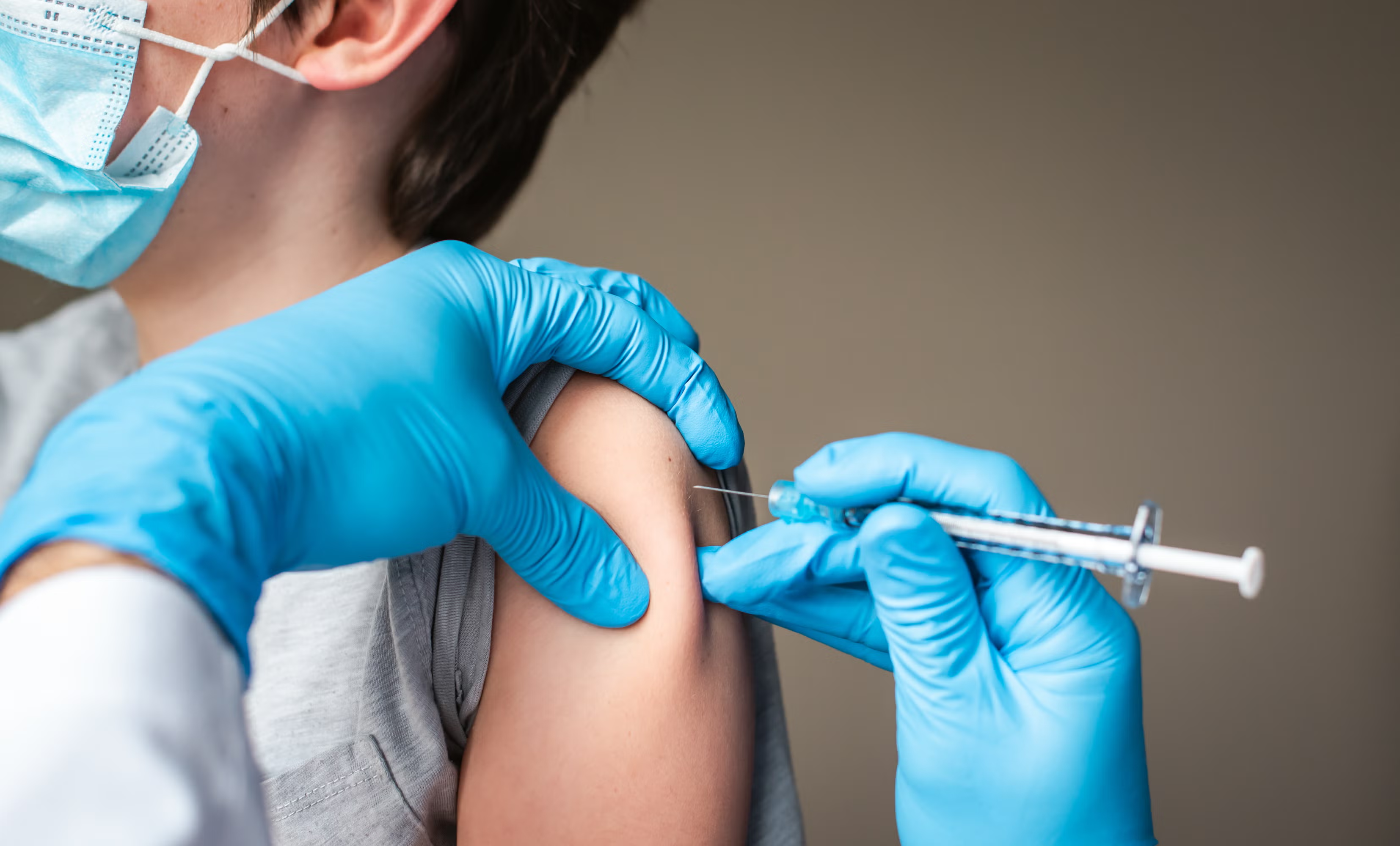
The US is likely to lose its measles elimination status after multiple outbreaks in recent years. As of early November, 5,182 confirmed measles cases occurred across 47 states, more than double the 2,289 cases reported in 2025 across 45 states. Of all US cases this year, 96 percent come from unvaccinated people.
Since most Americans received the MMR vaccine as children, checking your vaccination status makes sense. But the US has no central repository of childhood vaccine records, according to Brian Labus, PhD, MPH, assistant professor of epidemiology and biostatistics at the University of Nevada, Las Vegas. You would need to find your vaccination records from your pediatrician's office, schools you attended, or your state health department.
Some people get antibody serology blood tests to check immunity against measles, mumps, chickenpox, hepatitis, tetanus, and other diseases. The presence of antibodies indicates your body mounted an immune response either from natural exposure or vaccination, Labus explains. However, these tests cost around $250 and may not be covered by insurance. Results take several days, which matters if you live in an outbreak area.
If you were born before 1957, you were likely exposed to measles as a child and do not need vaccination, Labus says. People around 45 or older were likely exposed to chickenpox and do not need that vaccine, adds Thomas Russo, MD, chief of the division of infectious diseases at the University at Buffalo.
Doctors suggest simply getting vaccinated or getting boosters if you're unsure about your vaccination status. Getting the shot is usually cheaper and faster than an antibody test, Labus says. Georges Benjamin, MD, executive director of the American Public Health Association, recommends boosters especially for those with chronic diseases, immune system dysfunction, or healthcare jobs. If you plan to travel to areas with higher measles rates like Middle Eastern countries, consider a booster, Russo adds.
Most vaccines can be given to adults without problems, and receiving an extra dose boosts antibody levels even if you were previously vaccinated, Labus explains.