Scientists have created the first vaccine shown to treat cancer, targeting melanoma. Researchers sequenced the DNA of tumors from more than 1,100 patients with stage II, III, or IV melanoma who had undergone surgery. They identified mutations in each tumor and selected up to 34 mutations that produce proteins the immune system could recognize. Instead of injecting the proteins directly, they used mRNA to instruct the body to produce these proteins, which act as signals for the immune system to attack cancer cells.
Patients received nine doses of the vaccine, one every three weeks. Side effects were minimal, with some experiencing a sore arm or flu-like symptoms for a day or two. After two years of follow-up, patients who received the vaccine were 42 percent less likely to have cancer return compared to those who did not. They were also less likely to develop metastatic cancer if recurrence occurred.
However, researchers have only two years of data. Long-term survival data requires years of continued follow-up to confirm the results hold up over time.
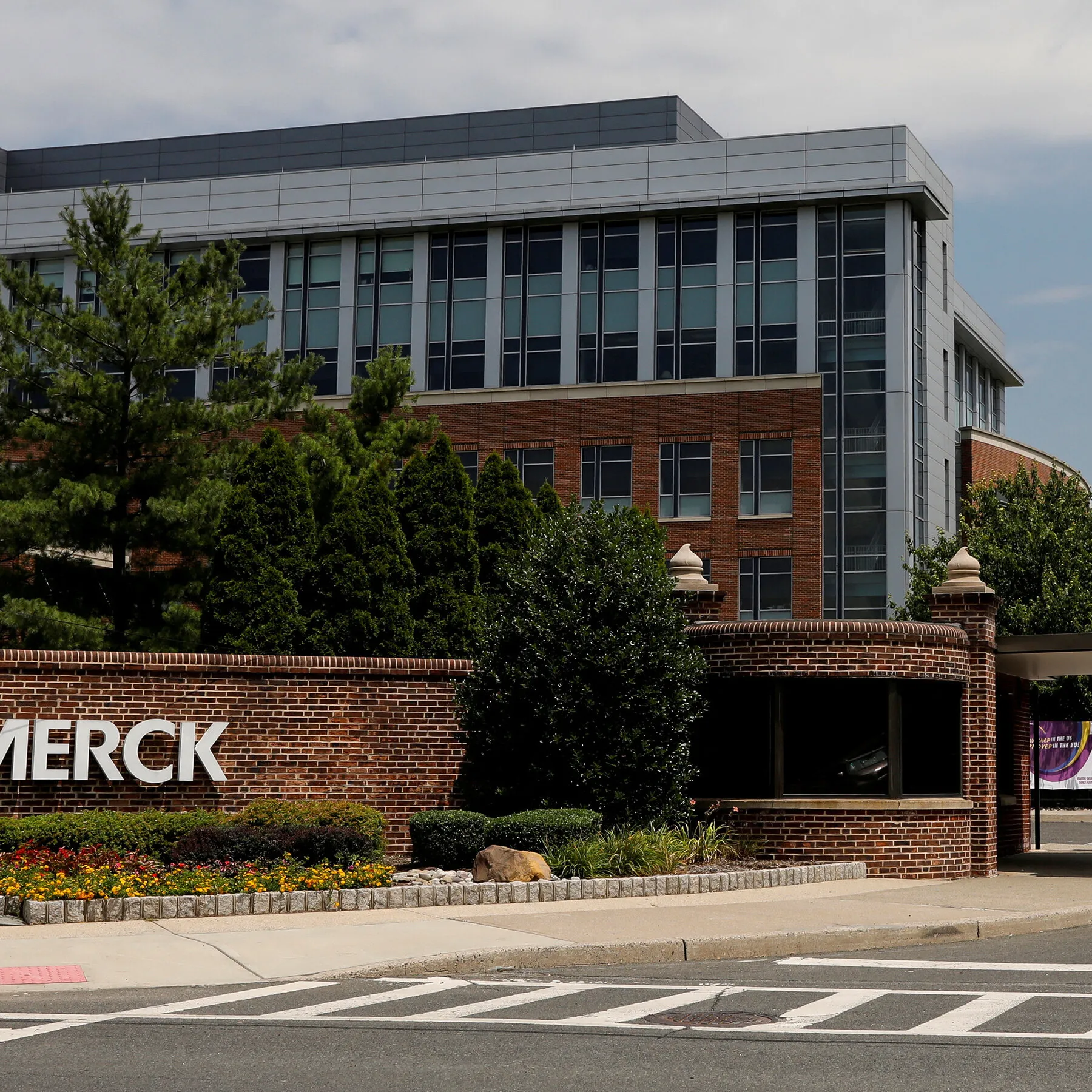
Merck and Moderna developed the vaccine and plan to seek FDA approval. The companies are exploring whether this approach could work for other cancer types and potentially prevent cancer before it develops.
The vaccine represents a breakthrough in a field where scientists have pursued cancer vaccines without success for more than 100 years.