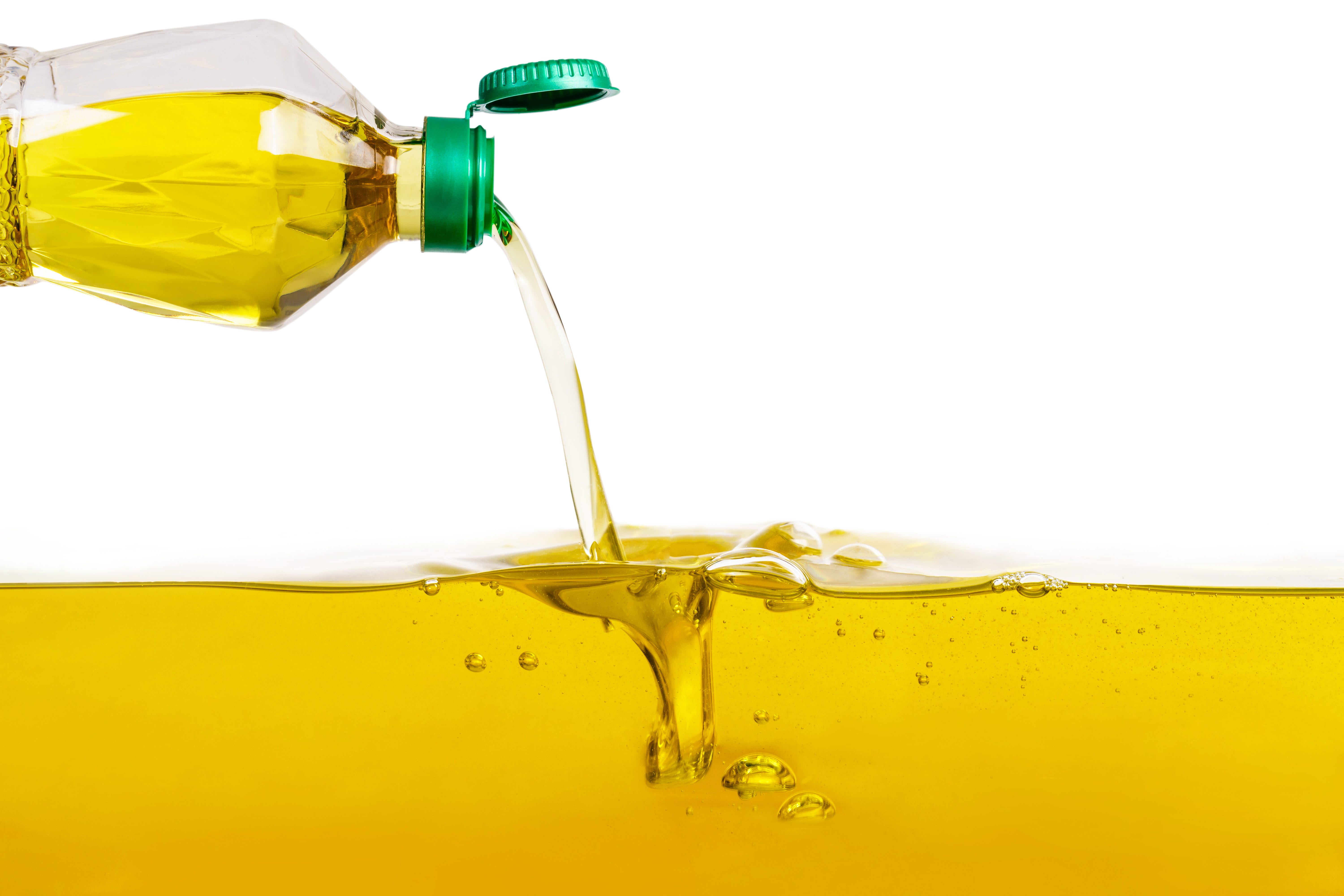
When Erewhon announced on October 15 that it was replacing avocado oil with fera fruit oil across all 15 locations, it positioned itself as a pioneer in health-conscious dining. The chain, along with over 800 other grocers, restaurants, wellness clubs, and luxury hotels like Mezeh Mediterranean Grill and Wynn Las Vegas, is now betting that consumers will embrace fera fruit oil as the superior choice. But before you celebrate this shift, consider what's actually happening: a rebranded palm oil is being marketed as revolutionary because we're living in a moment of peak seed-oil fear-messaging.
Let's talk about what fera fruit oil actually is. Zero Acre Farms trademarked the name for high oleic palm oil, produced from a hybrid palm tree called Oleifera × Guineensis (OxG). The nutritional profile is genuinely improved compared to traditional palm oil: it contains 50 percent oleic acid (the heart-healthy monounsaturated fat found in avocado and olive oil) versus traditional palm's 40 percent, along with 33 percent saturated fatty acids and 12 percent polyunsaturated fatty acids. These are real improvements. But Zero Acre Farms' sustainability claims deserve scrutiny. The company claims fera fruit oil requires just 0.3 acres to produce a ton of oil, using 15 to 20 times less land than soybean or canola oil. Independent research, however, tells a different story: OxG palm yields about 1 ton less per hectare than traditional palm, meaning seed oils actually use 3 to 4 times more land, not 15 to 20 times. The sensationalism is troubling.
More importantly, the real-world health benefits remain murky. The only way consumers encounter fera fruit oil is through pre-made fried foods at restaurants and stores—it's not available for home purchase. A study comparing 160 participants consuming either 25 mL of high oleic palm oil or 25 mL of extra virgin olive oil daily for three months showed both groups had similar reductions in total and LDL cholesterol. These results are promising but limited. Meanwhile, avocado oil boasts a 71 percent monounsaturated fatty acid profile compared to fera fruit oil's 50 percent, yet no head-to-head studies have tested their health effects.
Here's what matters most: you're still eating fried food. A study presented at the 21st International Oil Palm Conference found that high oleic palm oil resists degradation better over multiple frying rounds than other oils, which benefits restaurants' bottom lines. But the actual health implications of reused oil remain unclear. Deep-frying anything creates harmful compounds regardless of which oil is used. While unrefined high oleic palm oil contains antioxidants like carotenoids and vitamin E, fera fruit oil offers no guarantee of antioxidant content.
Erewhon's switch looks impressive on the surface, but it's ultimately a trend capitalizing on our collective anxiety about seed oils. The uncomfortable truth is this: in the context of an overall healthy diet, the occasional fried food—whether fried in avocado oil, canola oil, or fera fruit oil—will have minimal impact on your health. Before shelling out premium prices for products marketed as transformative, demand tangible clinical evidence. So far, it doesn't exist.