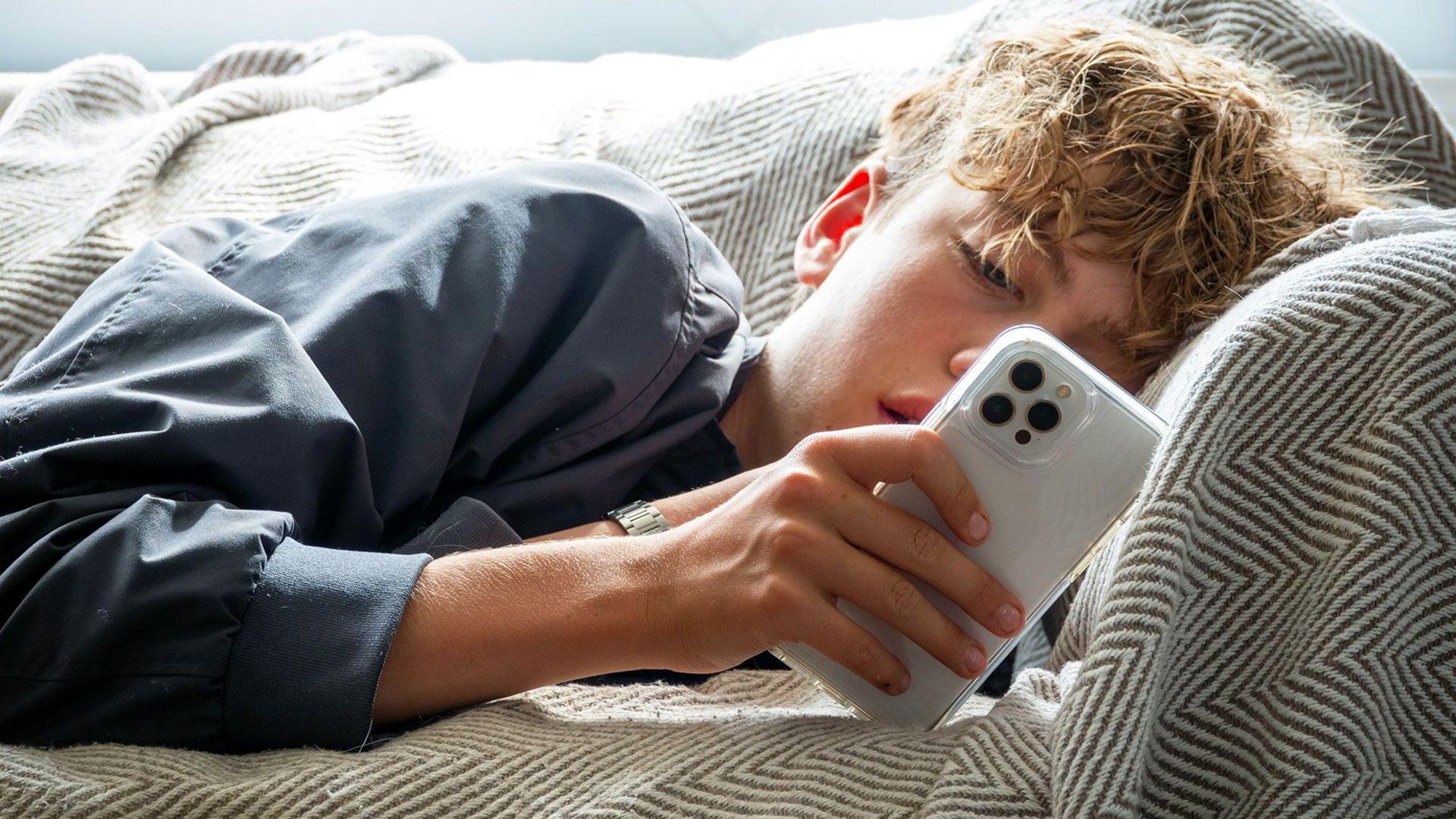
More than 300,000 young people across Britain will participate in ten research projects to examine how the UK's social media ban for under-16s affects mental health. The ban takes effect in spring 2027 and will prevent access to apps including Instagram, TikTok, Facebook, Snapchat and YouTube.
The Wellcome Trust funded the studies, which take place at eight universities across England, Wales and Scotland. Researchers will use wearable technology, smartphones, digital diaries and surveys to track how young people respond to the restrictions. The projects will examine changes in phone use habits, what activities replace scrolling, and whether young people find ways around the ban.
Dr Camilla Iannone, research lead at Wellcome, said the work offers "a once-in-a-generation opportunity to study at scale how social media and its restrictions affected youth mental health." She noted that researchers aim to understand "whether changing young people's digital environment leads to meaningful changes in their mental health and wellbeing" rather than viewing the question as simply whether social media is good or bad.
Participants are being recruited to include diverse groups of young people. The studies include those with different genders and sexual orientations, young people with existing mental health conditions like anxiety and depression, and neurodivergent young people. Some results will be available before the ban takes effect to inform UK and international online safety policies.
The UK ban follows a similar model to Australia's social media restrictions, introduced last December. Those restrictions remain contested, with supporters saying they protect young people from harmful content and critics arguing the ban has been too harsh.