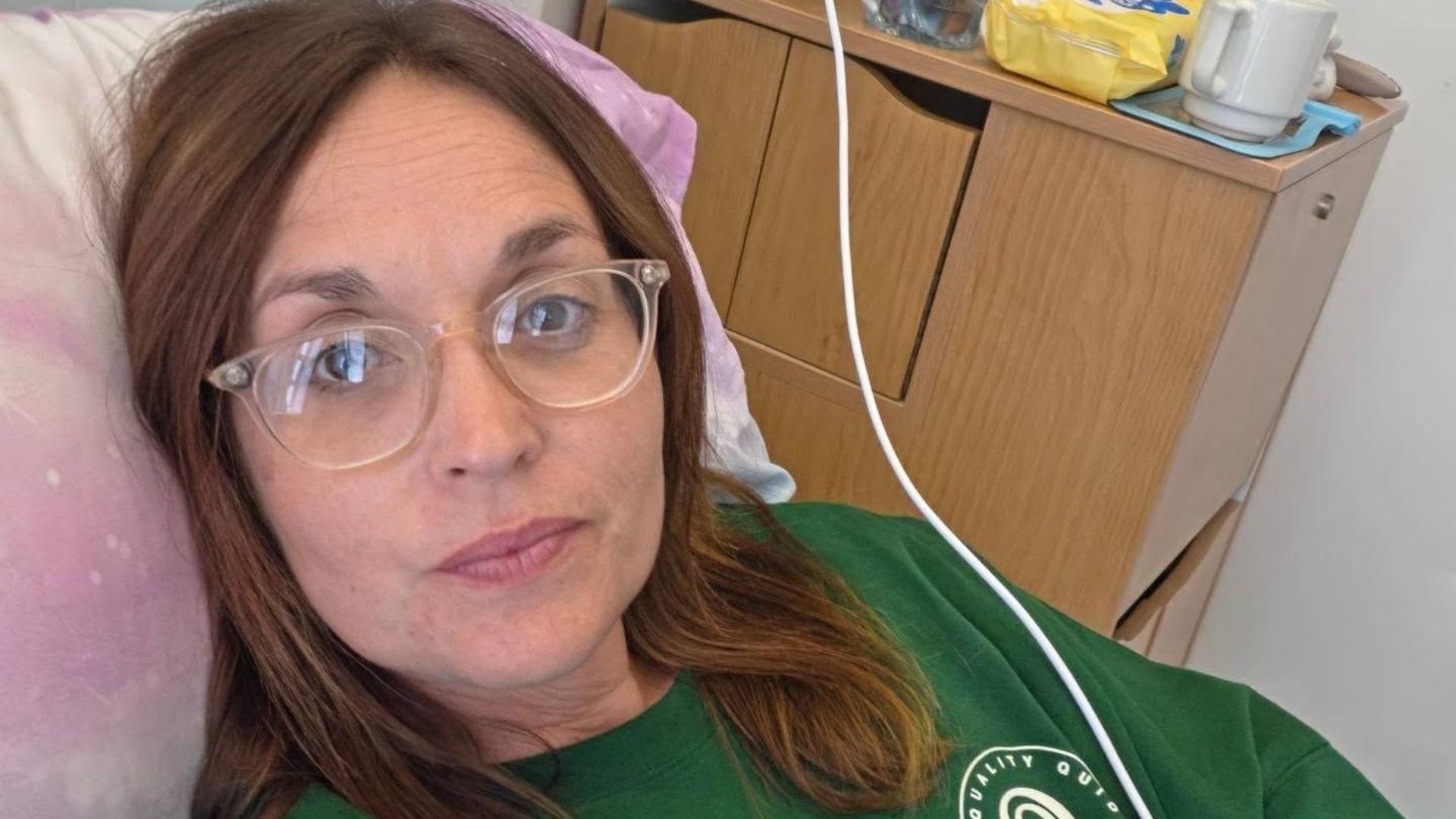
Donna Marklew from Coventry discovered she had neuroendocrine cancer after tissue removed during a hysterectomy at Warwick Hospital was tested. The cancer, which starts in nerve and hormone-producing cells, was found in her appendix, Fallopian tubes, and surrounding tissue.
Marklew had undergone the hysterectomy to treat complications from childbirth, specifically a uterine prolapse. She had no identifiable symptoms before diagnosis, though she recalled experiencing anxiety and palpitations during a trip to Scotland that her GP attributed to perimenopause.
Neuroendocrine cancer affects an estimated 6,000 people in the UK each year, according to Neuroendocrine Cancer UK. The diagnosis can be difficult to reach. Lisa Walker, chief executive of Neuroendocrine Cancer UK, said the average time between a first symptom and diagnosis is five years, because symptoms can resemble other conditions.
The cancer develops throughout the body in neuroendocrine cells that produce and release hormones regulating body functions. It most commonly affects the lungs, digestive tract, and pancreas, but can develop anywhere.
Marklew underwent a nine hour surgery in March 2025 to remove as many tumours as possible. She now receives three injections weekly and has started Peptide Receptor Radionuclide Therapy (PRRT) administered four times weekly every two months. Her tumours are grade two, meaning they grow slowly, though they continue to grow.
Despite treatment, Marklew said the disease has had a significant mental impact. She reached out to Neuroendocrine Cancer UK for support and started a local patient group, which now meets bi-monthly with six attendees. She hopes to raise awareness of the condition, particularly around World Neuroendocrine Cancer Day.