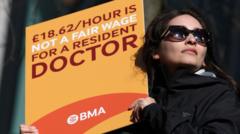
# When Doctors Strike, Patients Sometimes Benefit
Hospital trusts across the UK report an unexpected outcome from physician strikes: shorter wait times, faster clinical decisions, and less hectic environments. Several trusts shared these observations with the BBC following recent labor actions.
The pattern reflects a counterintuitive phenomenon. When doctors reduce hours or halt non-emergency services, hospitals often streamline operations. Emergency departments become less overwhelmed. Clinical teams make quicker decisions without the typical backlog pressures. Staff report calmer working conditions, which can improve care quality.
But this improvement comes with a critical caveat. These benefits exist only during strikes themselves. Once physicians return to full duty, the underlying system problems resurface immediately.
The real issue is capacity. The NHS operates near maximum load during normal times. Removing even 10-15% of physician hours temporarily relieves pressure, revealing what healthcare delivery could look like with adequate staffing. The moment normal operations resume, that relief vanishes.
Sustainability hinges on whether strikes catalyze actual systemic reform. Better staffing ratios, improved scheduling, and reduced administrative burden could institutionalize the benefits doctors observe during walkouts. Without structural change, each strike cycle simply repeats the same pattern: temporary improvement followed by return to chaos.
Hospital administrators and policymakers face a choice. They can view strike-era improvements as evidence that better working conditions and staffing levels produce better patient care. Or they can treat them as temporary anomalies and resume business as usual once labor disputes resolve.
Physicians striking for better pay and conditions cite burnout, understaffing, and unsustainable workloads. The data from their own strikes demonstrates their point. The question now is whether healthcare systems will act on this evidence or ignore it.
THE BOTTOM LINE: Strikes reveal that hospitals function better with more reasonable physician staffing and workloads, but these