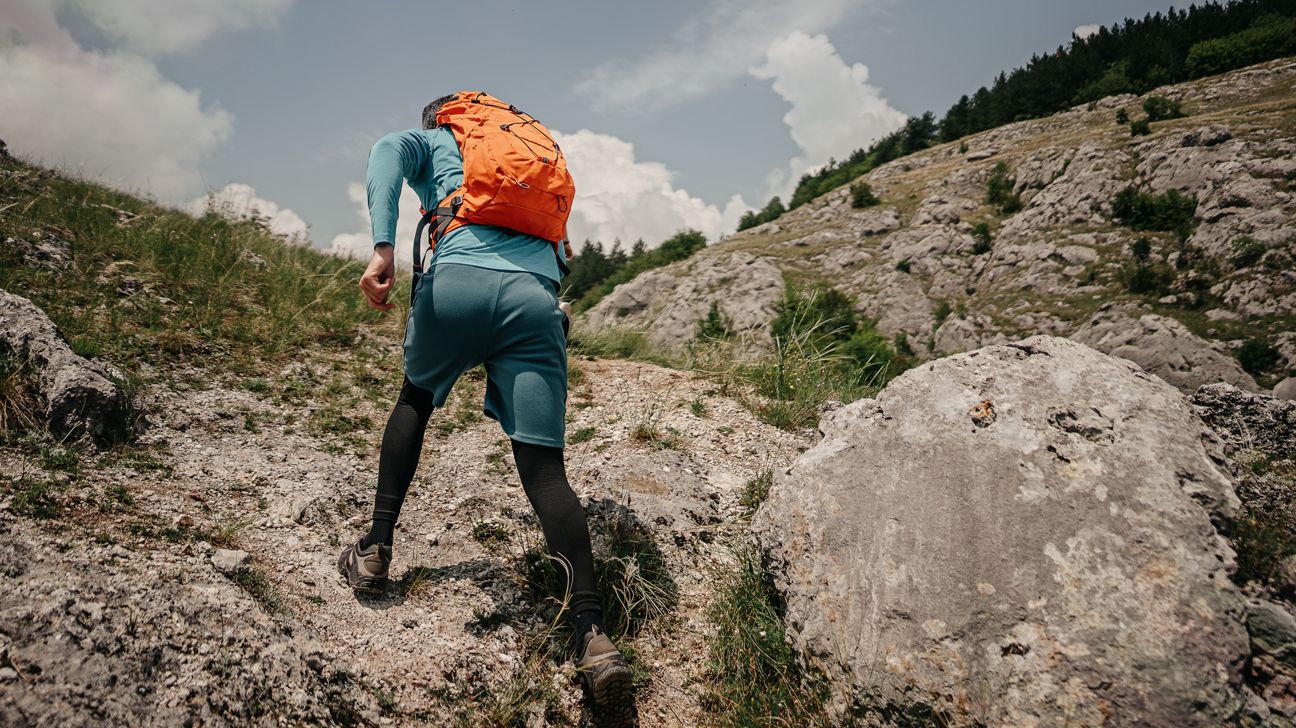
# Rucking: The Weighted Walk That Builds Strength and Endurance
Walking with a weighted backpack delivers dual fitness benefits that traditional cardio alone cannot match. Rucking combines resistance training with cardiovascular exercise, building strength and endurance while burning calories in a single activity.
The practice works because the added weight forces your muscles to work harder against gravity with each step. Your legs, core, back, and shoulders all engage to support and stabilize the load. This full-body activation occurs without the joint stress of running or jumping.
Starting properly matters. Beginners should fill a backpack with 10% to 15% of their body weight. A 150-pound person would begin with 15 to 22 pounds. Form prevents injury. Keep your shoulders back, core engaged, and posture upright as you walk. Gradually increase both weight and distance as your fitness improves over weeks and months.
The practical appeal sets rucking apart from traditional strength training. You need no gym membership, no special equipment beyond a backpack, and no dedicated time blocks. Rucking integrates into daily life. Walk your dog with added weight. Push a stroller downhill with resistance. Combine fitness with errands or commuting. This flexibility removes common barriers that stop people from exercising consistently.
Rucking demands less recovery time than heavy lifting while building comparable strength gains. Your body adapts to incremental load increases without the inflammation that follows intense weightlifting sessions. This makes rucking sustainable for long-term fitness.
The activity also builds functional strength. Real life requires moving your body against resistance through space. Rucking trains exactly this capacity. You become stronger at the movements your body actually performs.
Evidence shows that loaded walking increases both muscular strength and aerobic capacity. Research confirms rucking delivers cardiorespiratory benefits comparable