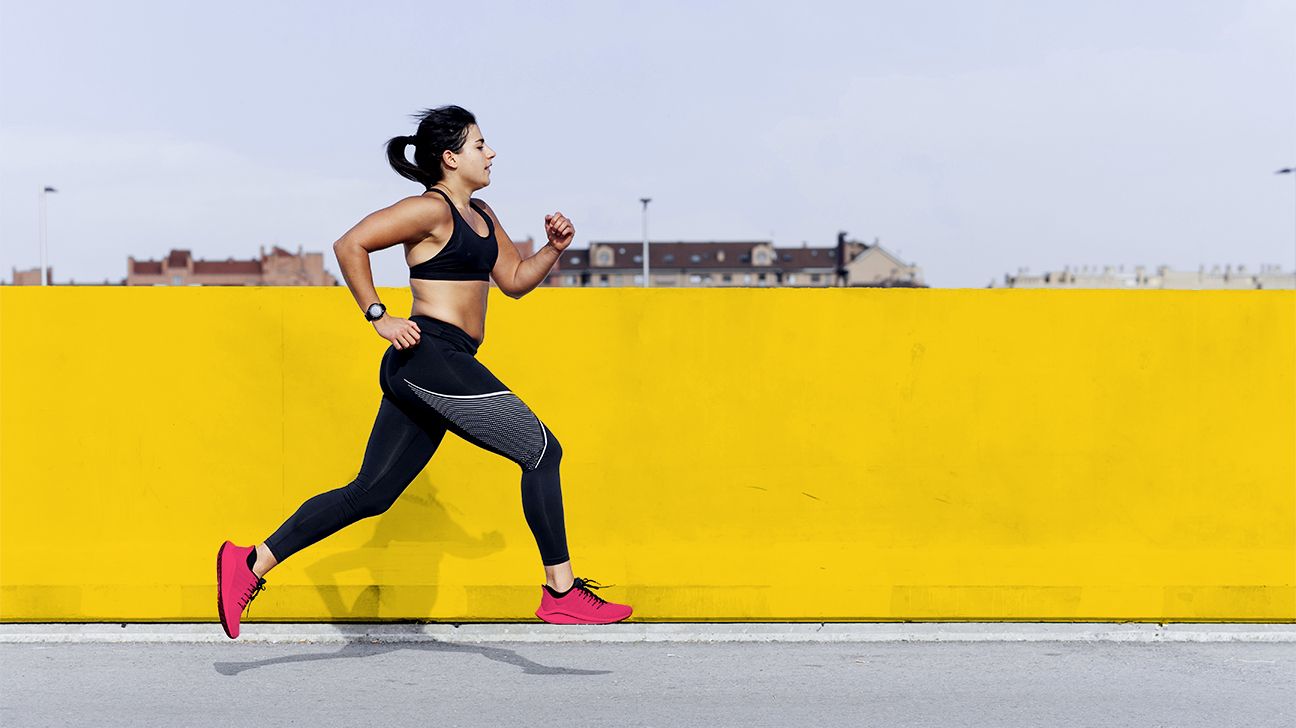
Side stitches plague up to 70 percent of runners annually, making them one of sport's most common complaints. Scientists call this exercise-related transient abdominal pain, or ETAP. The exact cause remains debated, but researchers point to three leading theories: breathing patterns irritating the phrenic nerve, reduced blood flow around the diaphragm during intense activity, or poor posture putting stress on core muscles.
When a side stitch strikes mid-run, several techniques offer relief. Slowing your pace reduces diaphragm strain. Stretching by raising your arms overhead and leaning toward the opposite side lengthens the affected muscles. Applying gentle pressure to the cramped area while taking deep breaths also helps.
Prevention works better than treatment. Experts recommend practicing mindful breathing patterns during training, which conditions your diaphragm to handle running demands. Timing matters too. Finish meals two to three hours before running, and avoid large fluids immediately beforehand, since a full stomach can trigger stitches. Your posture and core strength directly impact stitch frequency. Runners with weak abdominal muscles experience more side pain.
Hydration plays an underrated role. Dehydration increases muscle cramping, including the diaphragm. Drink consistently throughout the day, not just before runs.
Gradual progression prevents stitches better than sudden intensity spikes. Your body adapts to running demands over weeks and months. Jumping into speed work or longer distances too quickly leaves your diaphragm unprepared.
If stitches persist despite prevention efforts, check your running form. Video yourself or ask a coach to assess your posture. Many runners lean forward or hunch their shoulders, patterns that compromise breathing efficiency and stress the diaphragm.
THE BOTTOM LINE: Most side stitches result from preventable factors.