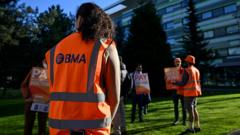
Resident doctors in England have ended their latest strike after walking out 15 times in an ongoing pay dispute. The walkouts represent the longest-running industrial action in the National Health Service's history, reflecting deepening frustration among junior doctors over compensation that hasn't kept pace with inflation.
The strikes center on a straightforward issue: resident doctors argue their salaries have stagnated for over a decade. Junior doctors in the UK earn roughly 40,000 to 50,000 pounds annually, depending on their training grade and location. These figures sound reasonable until accounting for inflation and comparing them to previous generations.
Since 2008, junior doctor pay has declined by approximately 26% in real terms after inflation adjustments, according to the British Medical Association, which represents the doctors. Meanwhile, their workload has intensified, with many resident physicians working 48-hour weeks regularly.
The dispute intensified in 2023 when the government offered a 22% pay increase over three years. The BMA rejected this as insufficient, demanding the government restore pay to 2008 levels and commit to preventing future erosion. Resident doctors view the stagnation as both a personal financial burden and a retention crisis threatening the NHS itself.
Walkouts have disrupted hospital services repeatedly, though emergency care continues. Each strike has lasted several days, creating scheduling challenges for both the institution and patients needing routine procedures. The strikes have also sparked broader conversations about NHS staffing, burnout, and whether the health service can retain skilled physicians without competitive compensation.
The return to work doesn't resolve the underlying tension. The government and BMA remain far apart on solutions. Resident doctors continue facing financial strain, student debt, and career uncertainty while treating patients in an understaffed system.