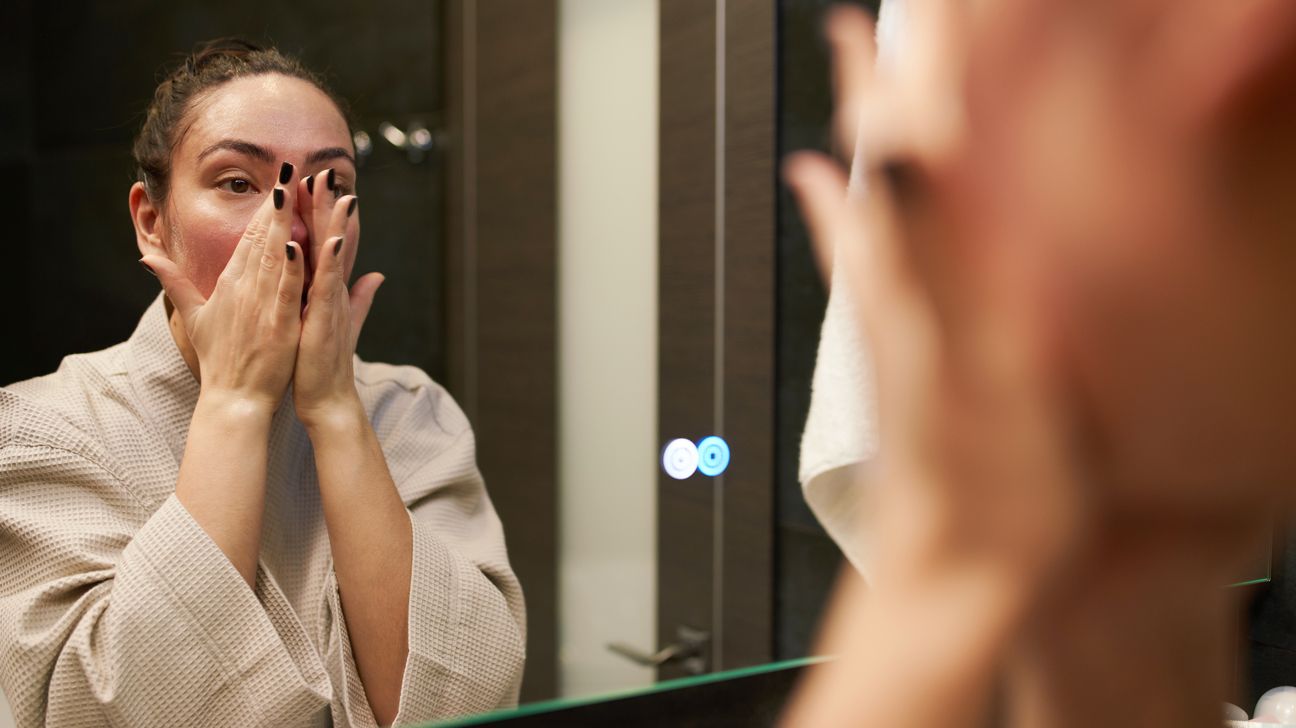
Bumps inside the nose develop from several common causes, each requiring different approaches to treatment. A pimple, ingrown hair, or bacterial infection of the nostril area known as nasal vestibulitis ranks among the most frequent culprits. Nasal polyps, which are noncancerous growths in the nasal passages, can also form bumps. Trauma from picking or rubbing the nose intensifies irritation and creates additional bumps.
Most nasal bumps resolve with basic home care. Warm compresses applied to the affected area reduce inflammation and promote healing. Saline rinses flush away bacteria and irritants. The most important step involves resisting the urge to pick or scratch, which introduces infection and delays recovery.
Bacterial infections like nasal vestibulitis respond well to topical antibiotics. Mupirocin, a prescription antibiotic ointment, directly targets the infection when applied inside the nostril. Nasal polyps may require steroid nasal sprays to shrink the growths and restore normal breathing.
A healthcare provider should evaluate persistent bumps. Seek medical attention if the bump lasts longer than one week, causes severe pain, blocks airflow, or drains pus or blood. These signs indicate infection or a condition requiring professional treatment.
Prevention strategies center on avoiding nose-picking and maintaining nasal hygiene. Gentle saline rinses keep the nasal passages clean without irritation. If you develop bumps frequently, ask your doctor about underlying conditions like allergies or chronic inflammation that might increase your risk.
Most people experience nasal bumps at some point. Understanding the cause and applying appropriate treatment typically resolves the issue within days. When home remedies don't work, healthcare providers can identify the specific problem and prescribe targeted therapy. Pay attention to warning signs that indicate infection or obstruction, as these require professional