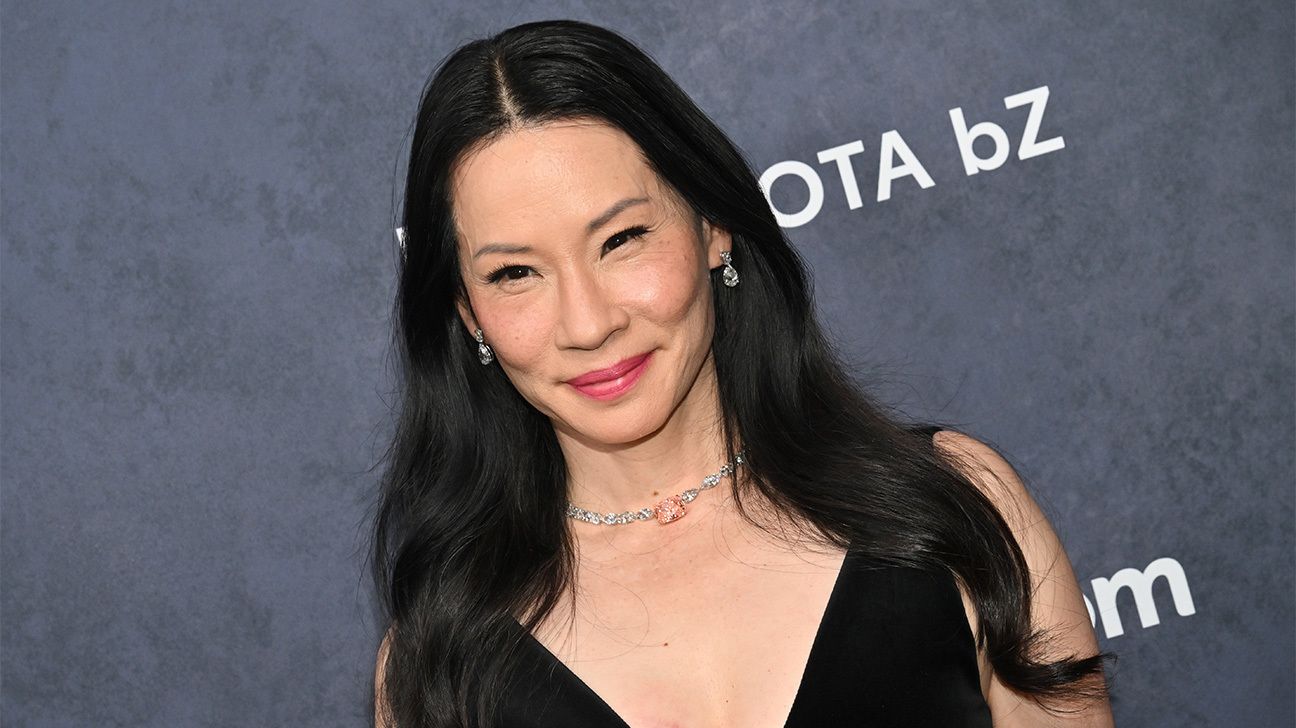
Actor Lucy Liu underwent unnecessary breast surgery at age 22 after receiving a misdiagnosis of breast cancer. The procedure, performed based on incorrect pathology results, left her with permanent physical and emotional consequences. Liu now advocates for patients to seek second opinions before undergoing cancer treatment.
Liu's case highlights a real problem in cancer diagnosis. Pathology errors occur when laboratory professionals misinterpret tissue samples under the microscope. These mistakes can lead patients to receive treatments they don't need, including surgery, chemotherapy, or radiation. The physical toll combines with the psychological burden of a false cancer diagnosis.
The importance of second opinions in cancer care cannot be overstated. Major cancer centers, including those affiliated with the National Cancer Institute, recommend that patients confirm any cancer diagnosis with an independent pathology review before proceeding with treatment. This practice catches errors and gives patients confidence in their treatment plans.
For young people receiving cancer diagnoses, second opinions become even more critical. The long-term effects of cancer treatment on developing bodies and future health require careful consideration. A false diagnosis at 22 means unnecessary exposure to surgical risks and potential complications that can persist for decades.
Liu's experience reflects broader data about diagnostic errors in pathology. Studies show that second opinion reviews change the original diagnosis in a meaningful percentage of cases, ranging from 5% to 20% depending on the cancer type and complexity of the case.
Patients can request second opinions by asking their oncologist or pathologist for copies of their pathology slides and reports. Many major medical centers offer second opinion services specifically for cancer patients. Insurance typically covers these consultations, recognizing their value in ensuring accurate diagnosis.
Liu's advocacy brings attention to a preventable source of harm. Her message resonates beyond cancer care, reminding patients that they have the right and responsibility to verify diagnoses before accepting irreversible treatment decisions. For anyone facing a new cancer diagnosis, seeking confirmation