# Nopales: What the Research Shows About Cactus as Food
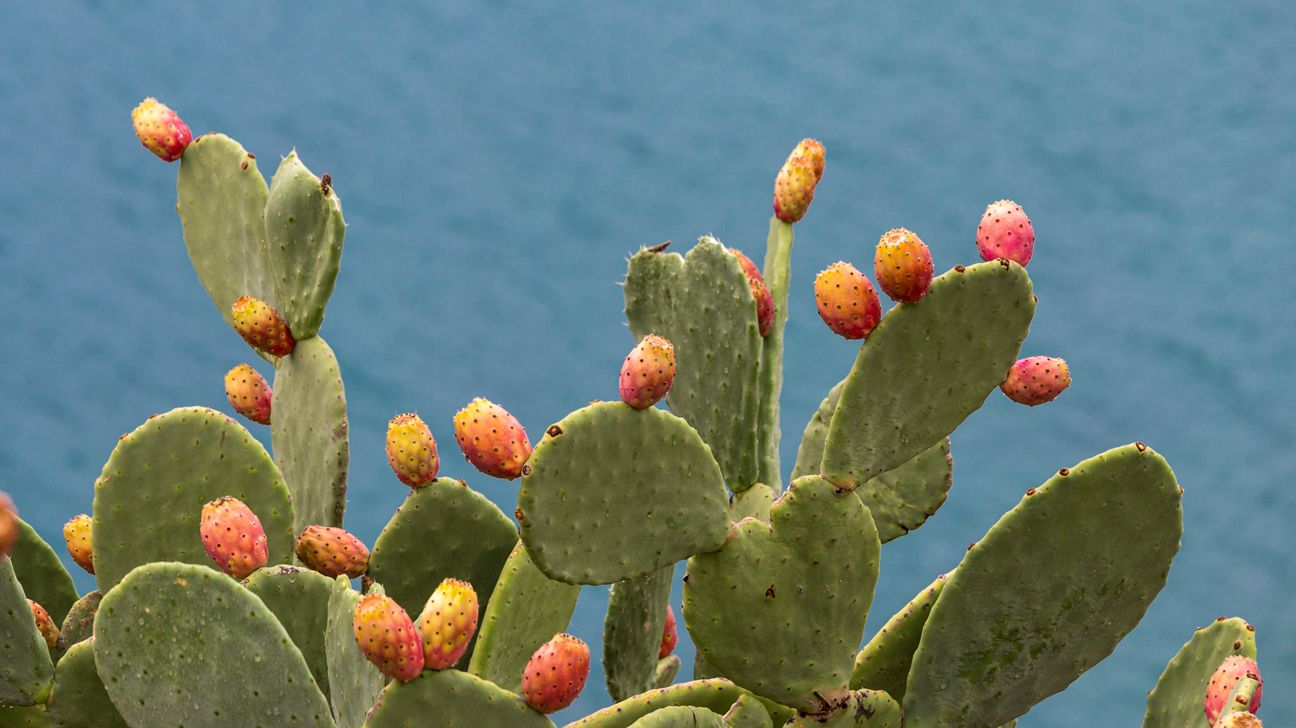
Nopales, the edible pads of the prickly pear cactus, contain compounds that may benefit your health. These flat green vegetables deliver ascorbic acid and phenolics, antioxidants that work against inflammation in your body.
The strongest evidence centers on blood sugar control. One small study found that eating nopales alongside a high-carbohydrate meal lowered blood sugar levels in participants. However, larger reviews of existing research conclude the evidence remains insufficient to claim nopales prevents or treats diabetes. The data suggests promise but not proof.
You have multiple ways to add nopales to your diet. Boiling, grilling, or sautéing fresh nopales works well. Alternatively, you can drink prickly pear juice or take supplements containing 500 to 650 milligrams daily. Start gradually if you're new to nopales, as some people experience mild nausea, diarrhea, or increased fullness initially.
The antioxidant content explains the inflammation-fighting potential. These plant compounds protect cells from oxidative stress, a process linked to chronic diseases. While animal studies and small human trials show encouraging results, researchers have not yet completed large-scale investigations that could definitively establish nopales as a medical intervention.
Nopales fit best as a nutritious whole food rather than a supplement substitute. Their fiber content supports digestion and satiety. The vegetable pairs well with Mexican and Mediterranean cuisines, making dietary inclusion straightforward for many people.
If you have diabetes or take medications affecting blood sugar, discuss nopales with your healthcare provider before making significant dietary changes. The vegetable's compounds may interact with certain medications. For people without underlying conditions, nopales represent a low-risk food worth trying if