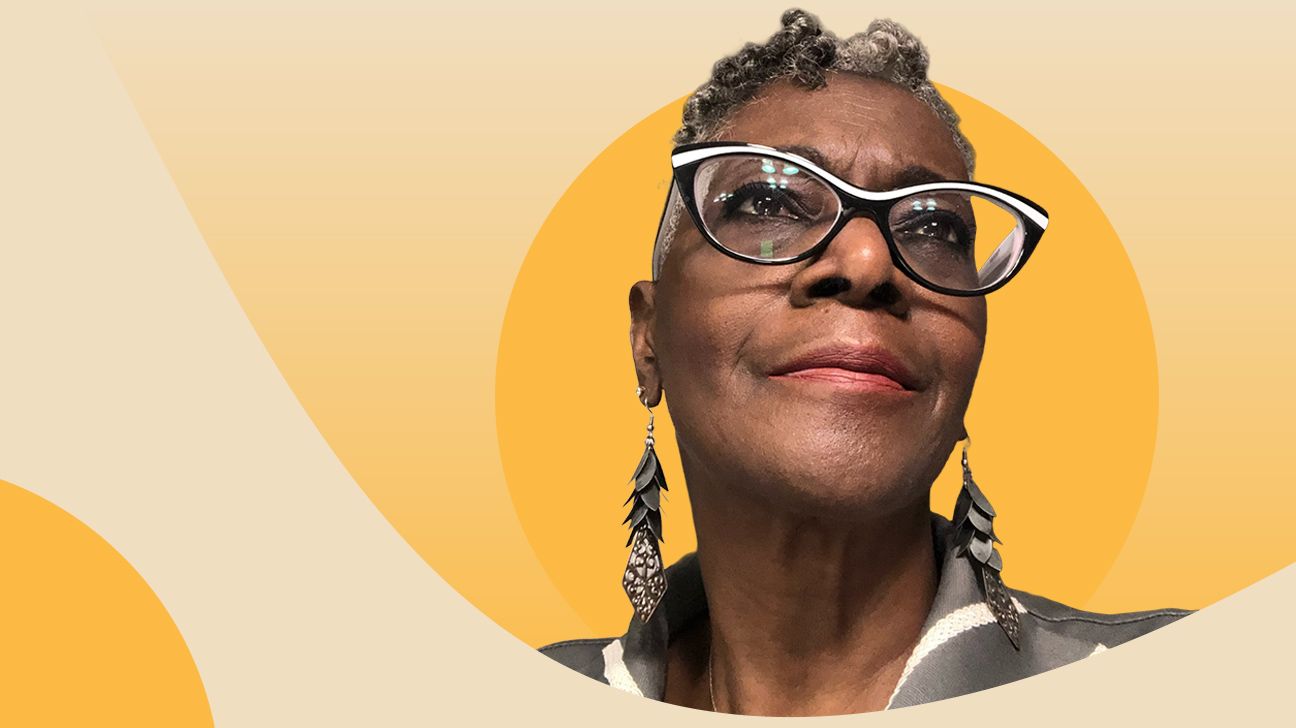
Barbara Roberts received her HIV diagnosis in 1996, when the virus felt like a death sentence. Three decades later, at 74, she represents a dramatic shift in what living with HIV looks like today.
Modern antiretroviral therapy has transformed HIV from a terminal illness into a manageable chronic condition. People with HIV who take their medications consistently now have near-normal life expectancies. Roberts exemplifies this reality. She has remained adherent to treatment, allowing her immune system to stay strong and her viral load to stay undetectable.
A recent FDA approval marks another turning point in her care. New long-acting injectable medications reduce the pill burden that many long-term HIV patients face. Instead of taking multiple daily pills, some patients now receive injections every two months. This shift addresses a real challenge: medication fatigue after decades of daily regimens.
For Roberts and others living with HIV for 30 years or more, aging brings new complexities. HIV itself accelerates certain age-related conditions, including heart disease, bone loss, and cognitive changes. Managing HIV alongside typical aging challenges requires coordinated care from infectious disease specialists and gerontologists who understand both conditions.
The shift in HIV medicine reflects what researchers call "treatment as prevention." When people with HIV maintain undetectable viral loads, they cannot transmit the virus to partners. This science has reshaped conversations about reproduction, relationships, and quality of life for people living with HIV.
Roberts' story also highlights disparities in HIV care. Not all patients have equal access to newer medications or specialized geriatric HIV services. Black Americans and other communities of color continue to experience higher HIV diagnoses and face barriers to consistent care.
Her three-decade journey demonstrates that HIV survival extends far beyond initial diagnosis. The question now centers on ensuring all people with HIV, regardless of race, geography, or income, can access the treatments and comprehensive care that make long-term thriving