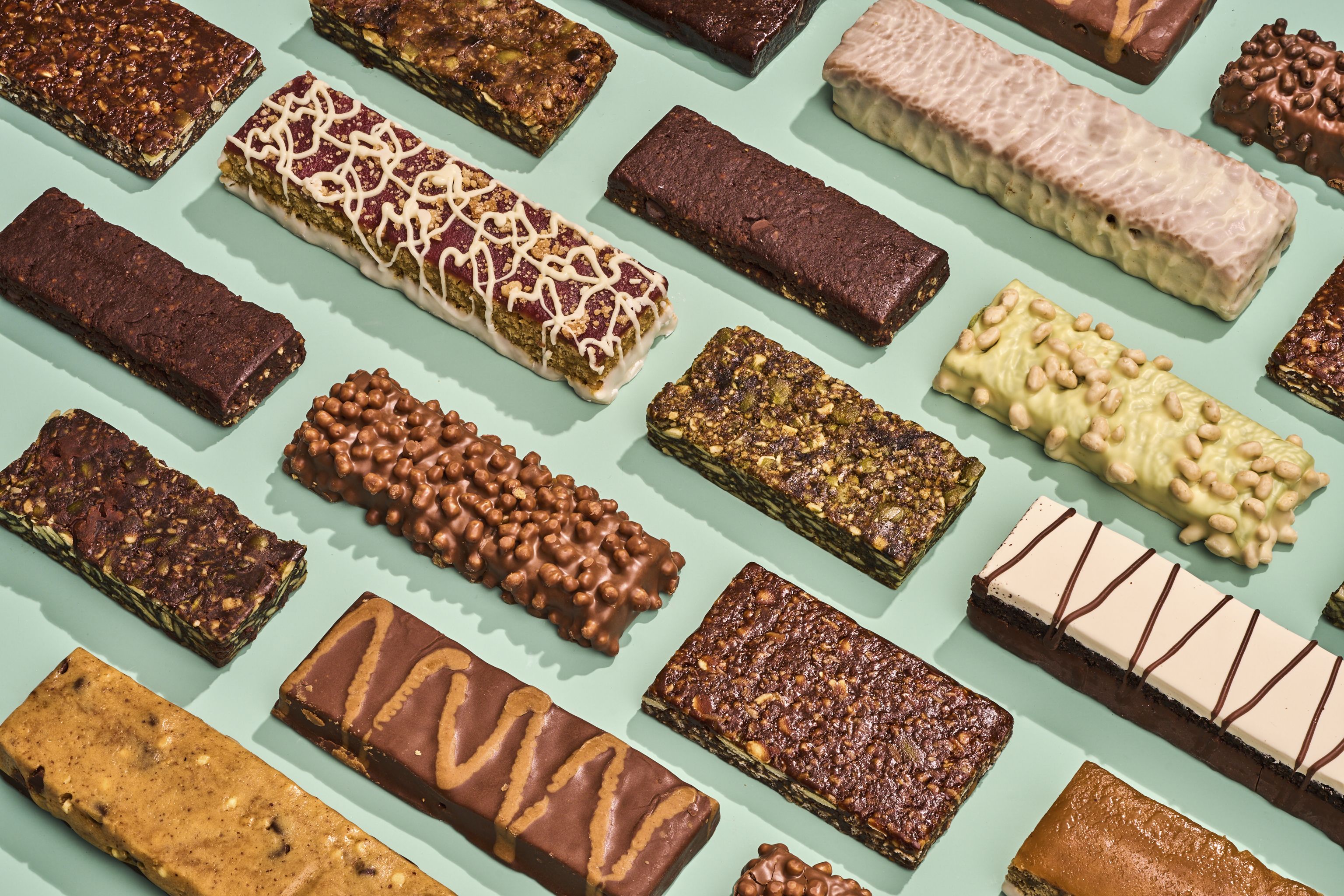
# The 8 Best Protein Bars, Approved By Dietitians and Tested By Editors
Protein bars serve a practical purpose for people juggling workouts, busy schedules, and nutrition goals. Men's Health editors tested eight options and consulted registered dietitians to identify bars that balance protein content, ingredient quality, and taste.
The testing process examined several factors that matter to actual consumers. Dietitians evaluated macronutrient profiles, ingredient lists, and added sugars. Editors assessed texture, flavor, and whether bars delivered on their nutritional claims without tasting like cardboard. This two-pronged approach catches what marketing often hides: bars that sound healthy but contain excessive additives or sugar alcohols that cause digestive upset.
Protein bars work best when they contain at least 10 grams of protein per serving and keep added sugars under 5 grams. Many commercial bars exceed these thresholds, which undermines their value as workout fuel or meal replacements. Some options still market themselves as "high protein" while sneaking in 15 grams of sugar and artificial flavors that accumulate throughout the day.
The approved options span different dietary needs. Some bars suit pre-workout fuel, while others function better as post-exercise recovery snacks. A few options work for people managing blood sugar or following low-carb eating patterns. This variety reflects how individual nutrition needs differ based on activity level, fitness goals, and personal tolerance.
Protein bars occupy a middle ground in nutrition. They're more convenient than whole foods like Greek yogurt or nuts, but less nutritionally dense. Registered dietitians emphasize that bars shouldn't replace whole food sources of protein. Instead, they serve specific moments: traveling, between meetings, or when preparing a meal isn't feasible. When chosen thoughtfully, they support consistent protein intake without requiring meal