Hidradenitis suppurativa (HS) is a chronic skin condition that produces painful, boil-like lumps in areas rich with hair follicles and sweat glands. The condition itself is not an infection, though the lesions frequently become inflamed and infected, causing significant discomfort.
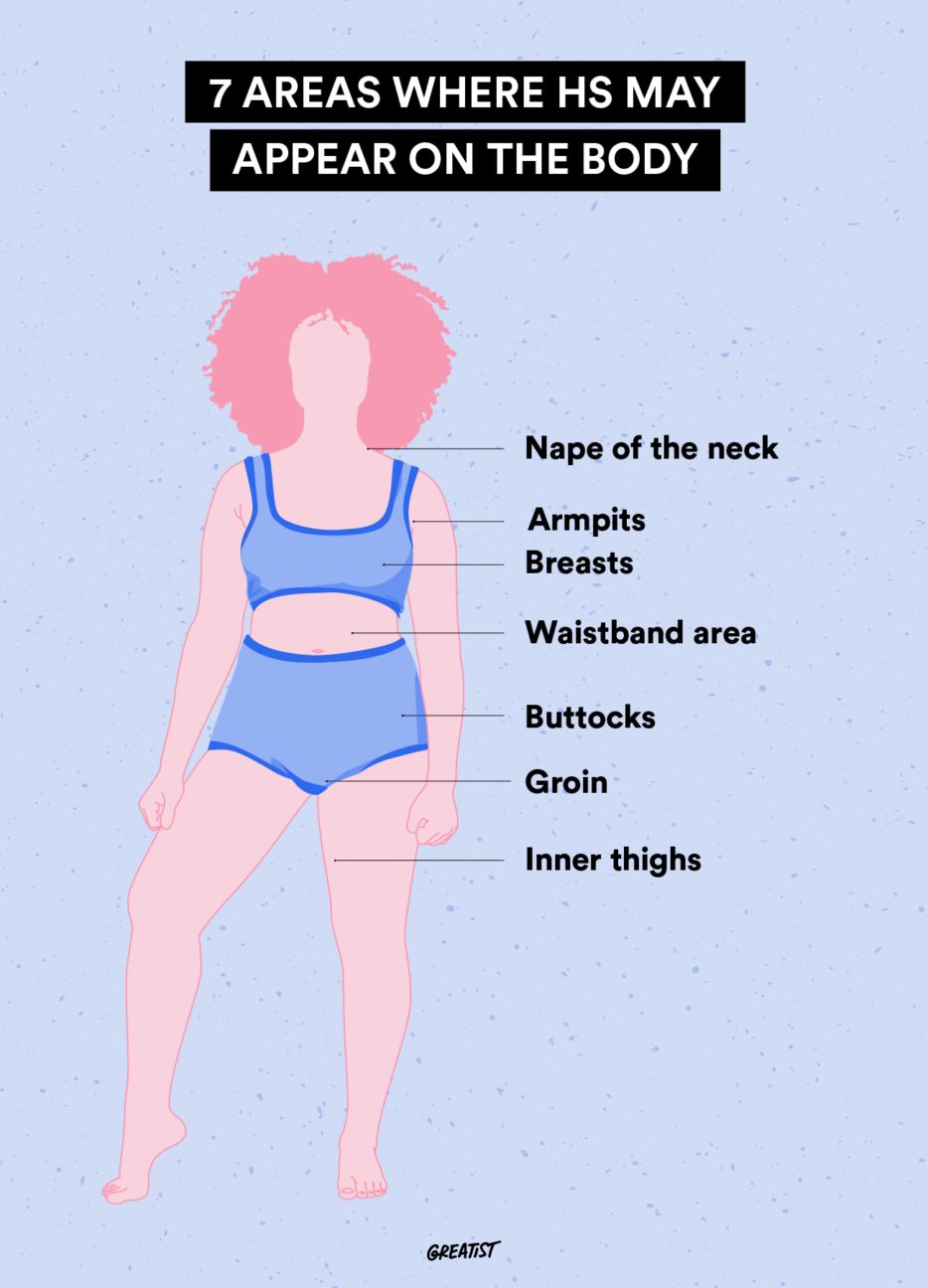
HS appears in seven primary locations on the body. The underarms rank among the most common sites, followed by the breast area, groin, inner thighs, buttocks, the nape of the neck, and the waistband region. These areas share a common feature: they experience high levels of moisture, friction, and heat. Rubbing between skin surfaces or contact with clothing often triggers flares in these vulnerable zones.
The exact cause of HS remains unknown, though dermatologists recognize that genetic, environmental, and hormonal factors contribute to disease development. People with a family history of HS carry increased risk. Hormonal fluctuations, particularly in women, can worsen symptoms. Friction and sweating act as environmental triggers that intensify inflammation.
Understanding where HS develops helps patients identify early warning signs. Many people notice small, tender nodules first, which progress into larger abscesses that may drain. The condition varies widely in severity. Some patients experience occasional mild lesions, while others develop chronic, interconnected tunnels beneath the skin that cause substantial pain and functional impairment.
Early diagnosis is critical. Dermatologists can distinguish HS from other skin conditions and recommend appropriate treatment strategies. Options range from topical antibiotics and oral medications to biologic therapies targeting specific immune pathways. Lifestyle modifications, including wearing loose clothing, managing moisture, and avoiding friction in affected areas, provide supportive relief.
If you notice persistent boil-like bumps in skin folds or areas prone to sweating and friction, schedule an appointment with a dermatologist