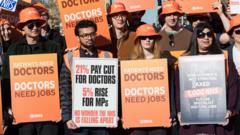
England's National Health Service is managing adequately during the 15th strike by resident doctors protesting their pay conditions, according to NHS leadership. The walkout represents an escalation in a prolonged dispute over compensation for junior physicians, who have staged repeated industrial action over months.
Junior doctors in England have become increasingly vocal about their earnings relative to inflation and cost-of-living pressures. The strikes continue despite previous negotiations, indicating a breakdown in talks between the British Medical Association, which represents the doctors, and NHS leadership.
Hospital administrators report they are deploying contingency staffing strategies to maintain essential services during the walkouts. Emergency and urgent care continues, though some routine procedures face delays. The strikes test both the resilience of hospital infrastructure and the resolve of both parties in the pay dispute.
For patients, the impact depends on their location and the type of care needed. Those requiring emergency treatment should proceed to hospitals normally. Others may experience postponed appointments and elective procedures. The NHS is advising patients to check with their local trusts about specific service changes.
The broader context involves junior doctors earning significantly less than their peers in other developed nations. Training-level physicians in England earn substantially less than comparable doctors in Australia, Canada, or the United States, adjusted for cost of living. This compensation gap has driven recruitment and retention problems across the NHS.
The dispute highlights tensions within the healthcare system. Hospital administrators cite budget constraints. Doctors point to deteriorating working conditions alongside stagnant wages. Previous strikes have lasted multiple days, and the pattern suggests this action may continue unless substantive progress occurs in negotiations.
The NHS has not announced dates for resuming talks with medical representatives. Both sides face mounting pressure as patient care delays accumulate and public opinion shifts based on the strike's duration and visibility.