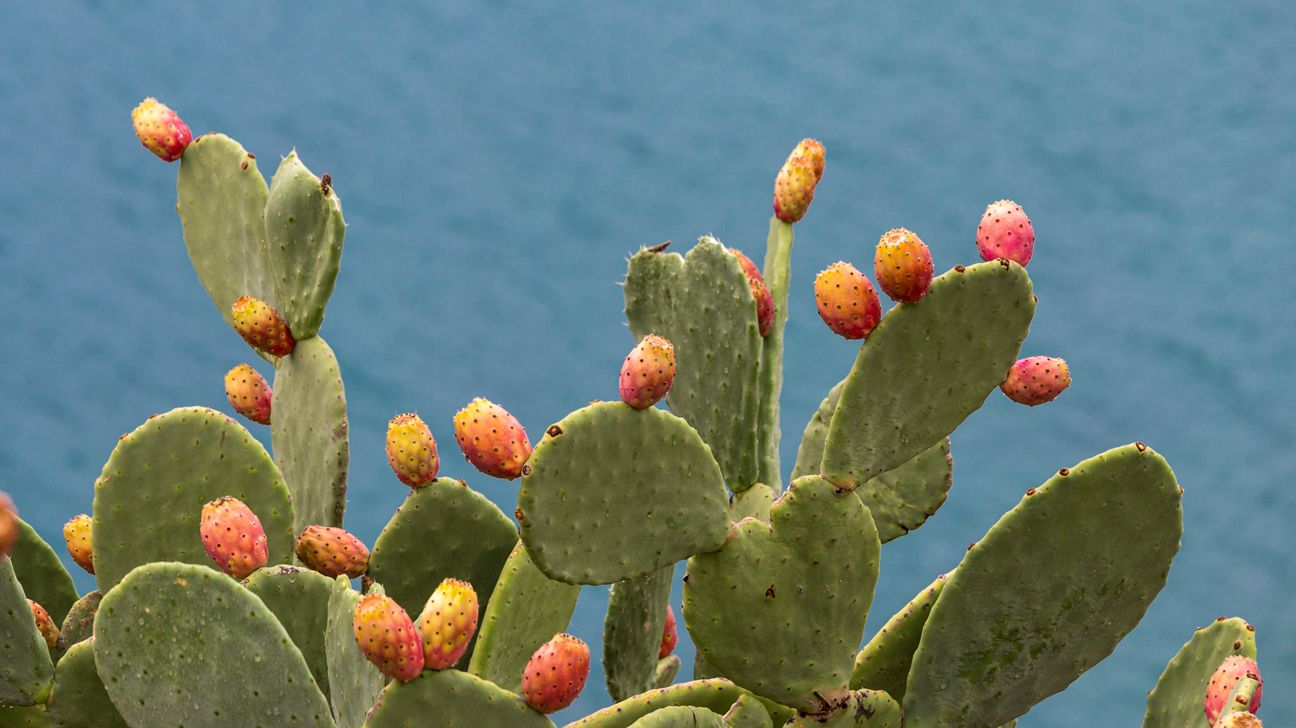
# Nopales Could Be Your Next Dietary Addition for Inflammation and Blood Sugar
Nopales, the edible pads of the prickly pear cactus, pack antioxidants that target inflammation. The plant contains ascorbic acid and phenolics, compounds that researchers have identified as inflammation fighters in the body.
The blood sugar connection shows promise but remains incomplete. One small study observed lower blood sugar levels after participants consumed nopales alongside a high-carbohydrate meal. However, larger systematic reviews conclude the evidence for diabetes prevention stays insufficient. The research exists, but scientists need more robust studies before making definitive claims about blood sugar control.
You have three practical ways to add nopales to your routine. Fresh nopales respond well to boiling, grilling, or sautéing, making them versatile for everyday cooking. Prickly pear juice offers a quicker option. Supplement users typically take 500 to 650 milligrams daily.
New consumers sometimes experience mild side effects during the adjustment period. Nausea, diarrhea, and feelings of fullness rank among the most common complaints. These reactions tend to fade as your digestive system adapts.
Nopales fit into traditional cuisines across Latin America and the Mediterranean, where cooks have incorporated them for centuries. The plant requires minimal water to grow and thrives in arid climates, making it sustainable in areas where other crops struggle.
The antioxidant content justifies exploring nopales as part of a balanced diet, even while scientists gather more evidence on specific health outcomes. Start with small portions to gauge your tolerance, and consider incorporating them into meals you already enjoy. If you take diabetes medications or blood pressure medications, discuss nopales with your healthcare provider before making significant dietary changes, since the plant may interact with certain treatments.
CATEGORY