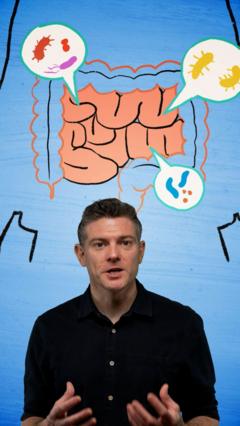
Your gut contains roughly 500 million neurons that operate independently from your brain, forming what neuroscientists call the enteric nervous system. This network communicates with your central nervous system through the vagus nerve, a major pathway that carries signals in both directions.
Professor Jon Swann, a biomolecular medicine expert, explains that this gut-brain connection influences mood and emotional responses. Your gut bacteria produce neurotransmitters like serotonin and GABA, chemicals your brain relies on to regulate anxiety and depression. About 90 percent of your body's serotonin is actually manufactured in your intestines.
The relationship works both ways. Your emotional state directly affects gut function, which is why stress triggers digestive issues. Conversely, what you eat shapes the composition of your microbiome, which then influences your mental state. This bidirectional communication means your digestive health and mental health are genuinely intertwined.
Research shows that people with depression and anxiety often have altered gut bacteria compositions compared to mentally healthy individuals. Probiotics and dietary changes targeting the microbiome have demonstrated measurable effects on mood and stress levels in clinical studies.
Your gut bacteria also produce short-chain fatty acids through fiber digestion. These compounds reduce inflammation throughout your body and brain, protecting against mood disorders and cognitive decline. A fiber-rich diet supports beneficial bacteria that generate these protective compounds.
Understanding the gut-brain axis changes how we approach mental health treatment. While medication remains important for many, dietary modifications, stress management, and targeted probiotic interventions now complement traditional approaches. Your digestive system isn't simply processing food. It's actively participating in your emotional regulation and mental wellbeing.
Practical steps include eating fermented foods like yogurt and kimchi, consuming adequate fiber from vegetables and whole grains, managing stress through exercise or meditation, and reducing processed foods that feed harmful bacteria.