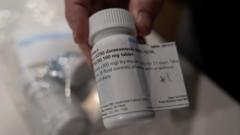
A new daily pill called daraxonrasib has shown remarkable promise in extending survival for pancreatic cancer patients, doubling their survival time in clinical trials. This development represents a significant advance for a disease that remains among the most lethal cancers worldwide.
Pancreatic cancer carries one of the lowest survival rates of any cancer type, with most patients receiving a diagnosis when the disease has already progressed significantly. The standard treatment approach has remained largely unchanged for years, leaving patients with limited options and grim prognoses.
Daraxonrasib works by targeting specific mechanisms that allow pancreatic cancer cells to evade the immune system and grow unchecked. By blocking these pathways, the drug enables the body's natural defenses to recognize and attack cancer cells more effectively. The oral formulation means patients can take treatment at home rather than requiring frequent hospital visits for infusions.
In clinical trials, patients taking daraxonrasib alongside standard chemotherapy survived twice as long compared to those receiving chemotherapy alone. Researchers note that the drug's effectiveness appears consistent across different patient populations, suggesting broad applicability rather than benefit limited to specific subgroups.
The pill has earned breakthrough therapy designation from regulatory authorities, accelerating its path toward approval. This status reflects the unmet medical need in pancreatic cancer treatment and the drug's potential to transform outcomes for this patient population.
Dr. oncologists involved in the trials emphasized that while daraxonrasib represents genuine progress, pancreatic cancer remains a challenging disease requiring continued research. They recommend patients discuss this option with their treatment teams to determine whether it fits their individual circumstances.
The approval process continues, but early enthusiasm from the medical community suggests this pill could become a standard component of pancreatic cancer treatment protocols within the coming year. For patients facing this diagnosis, the doubled survival time offers both extended time with loved ones and renewed hope for therapeutic options.
CATEGORY