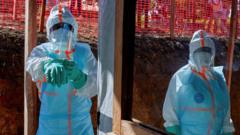
Three organizations are racing to develop new Ebola vaccines as outbreak concerns intensify globally. IAVI (International AIDS Vaccine Initiative), Moderna, and the University of Oxford each have candidates in development, representing a coordinated response to potential future threats.
The push reflects lessons learned from previous outbreaks. The 2014-2016 West African epidemic killed over 11,000 people before vaccines became available late in the crisis. Scientists recognized that faster vaccine development timelines could save lives during future emergencies.
Moderna's approach leverages its mRNA platform, the same technology used in its COVID-19 vaccine. This method allows rapid design and manufacturing once a target virus is identified. The company has already demonstrated the platform's flexibility across multiple pathogens.
IAVI focuses on developing vaccines targeting multiple Ebola species. The organization has prioritized variants that pose the highest transmission risk to humans. Their work builds on decades of vaccine research and partnerships with health agencies worldwide.
The University of Oxford team applies viral vector technology, using modified viruses to deliver Ebola genetic material into the body. This approach has proven effective in other vaccines and can be produced at scale relatively quickly.
Health authorities stress that vaccine readiness matters because Ebola outbreaks remain unpredictable. Current approved vaccines exist but face supply constraints and distribution challenges in affected regions. Having multiple vaccine candidates in development ensures backup options if production bottlenecks emerge.
The timeline for these candidates remains uncertain. Developers must balance speed with rigorous safety testing. Fast-track regulatory pathways exist for outbreak threats, potentially compressing traditional development schedules from years to months when epidemiological urgency justifies it.
Investment in Ebola vaccine development signals recognition that zoonotic diseases jumping from animals to humans pose recurring threats. Preventive preparation during quiet periods allows rapid deployment when outbreaks occur, transforming response capabilities from