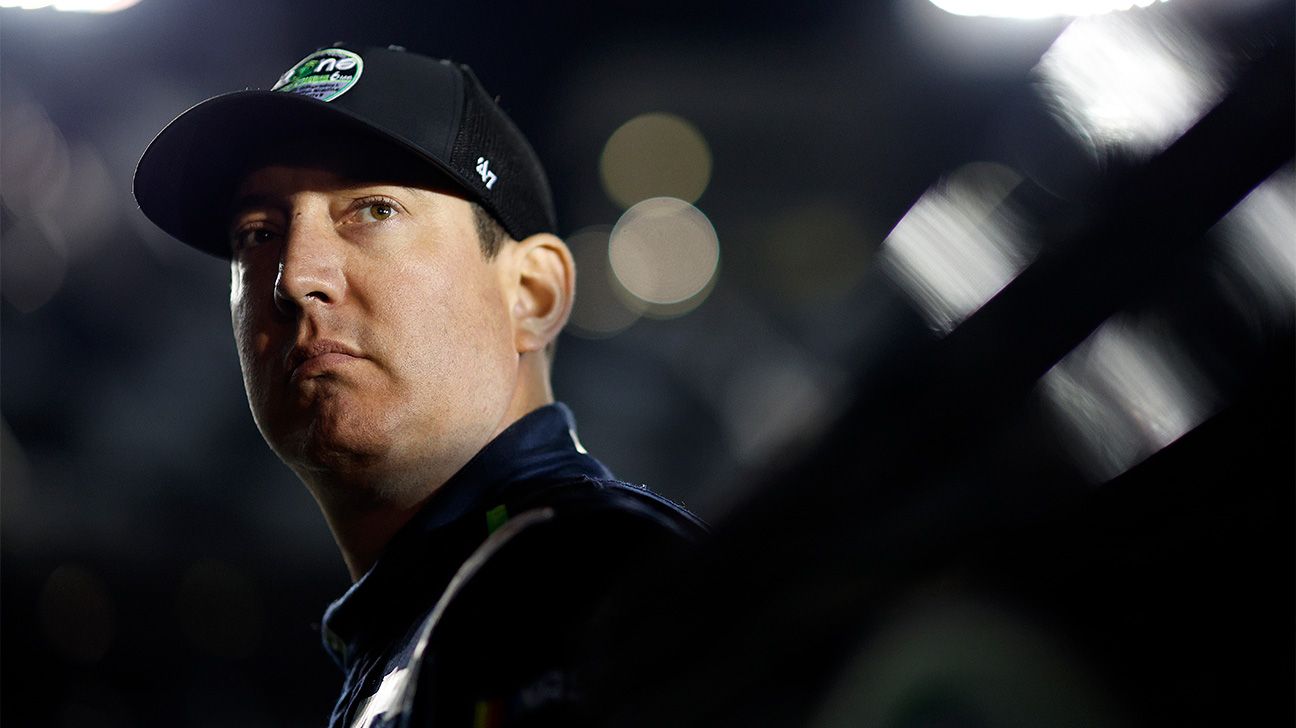
# NASCAR Driver Kyle Busch Dies From Sepsis. Here's What You Need to Know About Early Warning Signs
Kyle Busch, the NASCAR driver and two-time Cup Series champion, has died from sepsis at age 51. His death underscores how quickly this life-threatening condition can turn fatal if left untreated.
Sepsis occurs when the body's response to infection spirals out of control, damaging its own tissues and organs. It kills one person every 2.8 seconds worldwide, according to the Global Sepsis Alliance. The condition develops when bacteria, viruses, or fungi enter the bloodstream, triggering an overwhelming inflammatory cascade.
The problem: sepsis often hides behind vague symptoms that people dismiss as flu or minor illness. These "silent symptoms" include fever or abnormally low temperature, rapid heart rate, rapid breathing, and chills. Some patients experience confusion or disorientation. Others report muscle pain, extreme discomfort, or a skin rash. None of these alone screams emergency, which delays diagnosis.
Doctors with the Sepsis Alliance emphasize that time matters dramatically. Treatment within the first hour of recognition improves survival rates substantially. Blood cultures, lactate tests, and imaging help clinicians identify sepsis early. Antibiotics administered quickly become lifesaving.
Risk factors include recent surgery, wounds, urinary tract infections, pneumonia, and immunocompromised status. Older adults and people with chronic conditions face higher risk. However, sepsis strikes young, healthy people too. It progresses from infection to organ failure within hours.
The takeaway for anyone: trust your gut. If you or someone you know develops fever alongside rapid heartbeat, shortness of breath, or severe fatigue, seek emergency care immediately. Do not wait to see if it resolves. Tell emergency staff you suspect sepsis. Request