# Regular Strength Training Linked to Lower Mortality Risk
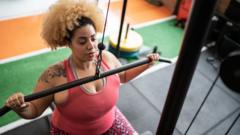
Two hours of weekly strength training appears to reduce the risk of early death, according to new research. Scientists examining exercise patterns and longevity found that people who engaged in regular weight training showed improved survival outcomes compared to sedentary peers.
The research builds on decades of evidence connecting physical activity to better health. While aerobic exercise like running and cycling has long dominated longevity discussions, strength training now emerges as an equally protective practice. The two-hour weekly threshold represents an achievable target for most adults.
Strength training works through multiple mechanisms. Building muscle mass preserves metabolic function, which naturally declines with age. Muscle tissue also helps regulate blood sugar and reduces inflammation, both linked to chronic disease. Weight training strengthens bones, improves balance, and reduces fall risk in older adults. These benefits combine to extend healthy life expectancy.
The findings matter for people who dislike traditional cardio. Many individuals find weight training more sustainable than running or cycling. If strength work provides similar mortality benefits, it removes a barrier to long-term exercise adherence. Consistency matters more than modality.
Resistance training doesn't require expensive equipment or gym memberships. Bodyweight exercises, resistance bands, or dumbbells deliver results. The key involves working major muscle groups, including legs, chest, back, and arms, at least twice weekly.
Experts recommend pairing strength training with some aerobic activity for optimal health. The combination addresses cardiovascular fitness while building the muscle mass that protects against aging-related diseases. For people starting out, working with a trainer ensures proper form and injury prevention.
The research underscores that staying active offers multiple pathways to longevity. Whether someone prefers lifting weights, hiking, swimming, or dancing, regular movement consistently predicts longer life. The specific exercise matters less than finding a sustainable practice that keeps someone