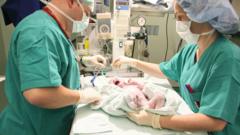
Emergency caesarean sections now account for one in four births in England, according to a BBC analysis of NHS data. The rate has climbed steadily over the past five years, raising concerns among obstetrics professionals about maternal and infant outcomes.
The data reveals regional variation across England, with some hospital trusts reporting emergency caesarean rates above 30 percent. Obstetricians and midwives point to multiple factors driving the increase rather than one dominant cause. Staffing shortages, delayed access to labor support, and changing maternal health profiles all contribute to the trend.
Dr. Cathy Warwick, former chief executive of the Royal College of Midwives, notes that understaffed labor wards delay interventions and increase the likelihood of emergency procedures. Women giving birth at older ages and with more pre-existing conditions like obesity and diabetes also face higher caesarean risks. Additionally, variations in clinical decision-making between hospitals suggest inconsistent thresholds for moving from labor to surgical delivery.
The rise concerns experts because emergency caesareans carry greater risks than planned procedures. Women experience higher rates of infection, blood loss, and psychological trauma. Newborns face increased chances of respiratory distress and admission to neonatal intensive care units.
The analysis does not identify overuse of unnecessary caesareans as the primary driver. Instead, experts suggest the increase reflects genuine clinical need compounded by service pressures. Some trusts manage higher vaginal delivery rates successfully, indicating that organizational factors and staffing levels significantly influence outcomes.
The NHS has committed to improving maternity services through recruitment and training initiatives, though implementation remains patchy across regions. Maternal health advocates call for dedicated funding to reduce emergency caesarean rates while ensuring safe outcomes for mothers and babies. The data underscores how workforce capacity directly shapes birth outcomes across the healthcare system.