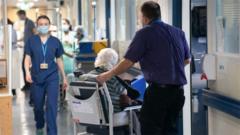
# Nearly 3,000 Patients Daily Receive Care in Hospital Corridors Across England
Hospital corridor care affects nearly 3,000 patients each day across England, according to new data that exposes a crisis in NHS infrastructure and capacity. Patients without proper beds receive treatment in makeshift hallway spaces, a practice that raises serious concerns about safety, infection control, and basic human dignity.
The data, reported by the BBC Health desk, documents the sheer scale of a problem long documented by hospital workers and patient advocates. Corridor care typically occurs when hospitals overflow beyond available beds, forcing staff to treat acute patients in spaces designed for circulation rather than medical care. These conditions compromise infection prevention protocols, limit privacy for vulnerable patients, and create logistical nightmares for nurses and doctors attempting to provide adequate monitoring.
Healthcare systems around the world have grappled with bed capacity crises, but the prevalence of corridor care in a wealthy nation's healthcare system signals deeper structural problems. When hospitals lack sufficient bed capacity, patient outcomes deteriorate. Research on hospital crowding consistently demonstrates increased mortality rates, longer stays, and delayed treatments when patients occupy non-clinical spaces.
The NHS has faced mounting pressures from aging populations, chronic disease prevalence, and staffing shortages. Corridor care represents the visible symptom of systemic strain. Each patient treated in a hallway requires the same clinical attention as one in a properly equipped ward, yet staff work under severely compromised conditions.
Hospital administrators and NHS leadership acknowledge the problem, but sustainable solutions require substantial investment in infrastructure, staffing, and bed capacity planning. The 3,000 daily figures represent individual patients experiencing fragmented, undignified care during vulnerable medical moments. This practice affects emergency departments, medical wards, and acute care units nationwide.
Patient safety organizations and healthcare workers have repeatedly called for urgent action. Building new wards takes time, but the immediate crisis