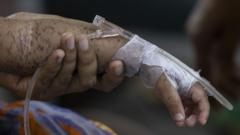
Bangladesh faces a measles crisis. Health officials have confirmed more than 60,000 suspected cases in just over two months, with hundreds of children dying from the highly preventable disease.
The outbreak reflects a troubling gap in vaccination coverage. Measles spreads rapidly through unvaccinated populations, and children under five face the highest mortality risk. The virus causes fever, cough, and the characteristic rash, but complications like pneumonia and encephalitis can turn the infection deadly.
Bangladesh has struggled with vaccination access for years. Conflict, poverty, and limited healthcare infrastructure create barriers that leave children vulnerable. When vaccination rates drop below the roughly 95% threshold needed for community protection, the virus circulates freely among susceptible populations.
The measles vaccine, developed decades ago, prevents infection in roughly 97% of people who receive both doses. Yet in low-income countries, vaccination campaigns often falter due to supply chain disruptions, misinformation, or families' inability to reach clinics. Bangladesh is no exception.
Health authorities typically respond to outbreaks by launching emergency vaccination campaigns targeting high-risk areas. These efforts can contain spread if implemented quickly. The World Health Organization recommends rapid case identification, outbreak response vaccination, and surveillance to interrupt transmission.
The scale of this outbreak underscores why global vaccination infrastructure matters. Measles elimination requires sustained commitment to reaching every child with two vaccine doses, regardless of geography or economic status. Without it, preventable deaths continue.
For families in affected areas, the advice is straightforward. Seek immediate medical care if children develop high fever with rash or cough. Ensure vaccination records are current. In outbreak settings, consult local health authorities about vaccination clinics.
This crisis is preventable. The tools exist. What remains is ensuring equitable access across every community.