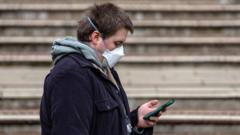
Meningitis spreads through respiratory droplets when infected people cough, sneeze, or talk, allowing bacteria to travel from their nose and throat to others. What makes the disease particularly tricky is that some people carry the bacteria without developing symptoms themselves, becoming silent spreaders in their communities.
The infection targets the membranes surrounding the brain and spinal cord, producing a cluster of recognizable symptoms. Early signs include high fever, severe headache, and a stiff neck that makes it painful to touch your chin to your chest. Many people also experience nausea, vomiting, sensitivity to light, and confusion or disorientation. In infants and young children, symptoms may differ. A rash can appear in meningococcal meningitis cases, typically starting as small red or purple spots that don't fade when you press a glass against them.
The speed of symptom onset matters. Bacterial meningitis develops rapidly, sometimes progressing from first symptoms to serious complications within hours. This urgency makes early recognition essential. Viral meningitis tends to develop more slowly and is generally less severe, though it still requires medical attention.
Anyone experiencing these symptoms should seek emergency care immediately. Healthcare providers diagnose meningitis through blood tests, spinal fluid analysis via lumbar puncture, and sometimes imaging studies. Treatment varies by cause: bacterial meningitis requires antibiotics, while viral meningitis typically involves supportive care.
Close contacts of confirmed meningitis patients may need preventive antibiotics. Vaccination provides protection against several meningitis-causing organisms, including meningococcus and pneumococcus. Health authorities recommend meningococcal vaccines for adolescents, college students living in dormitories, and people with certain medical conditions.
Understanding transmission routes helps prevent spread. People with meningitis should avoid close contact with others for at least 24 hours after