# Flavanol-Rich Fruits and Vegetables Emerge as Heart Protection Strategy
Eating fruits and vegetables high in flavanols offers measurable protection for heart health, new research confirms. Flavanols are plant compounds with antioxidant properties found abundantly in specific produce.
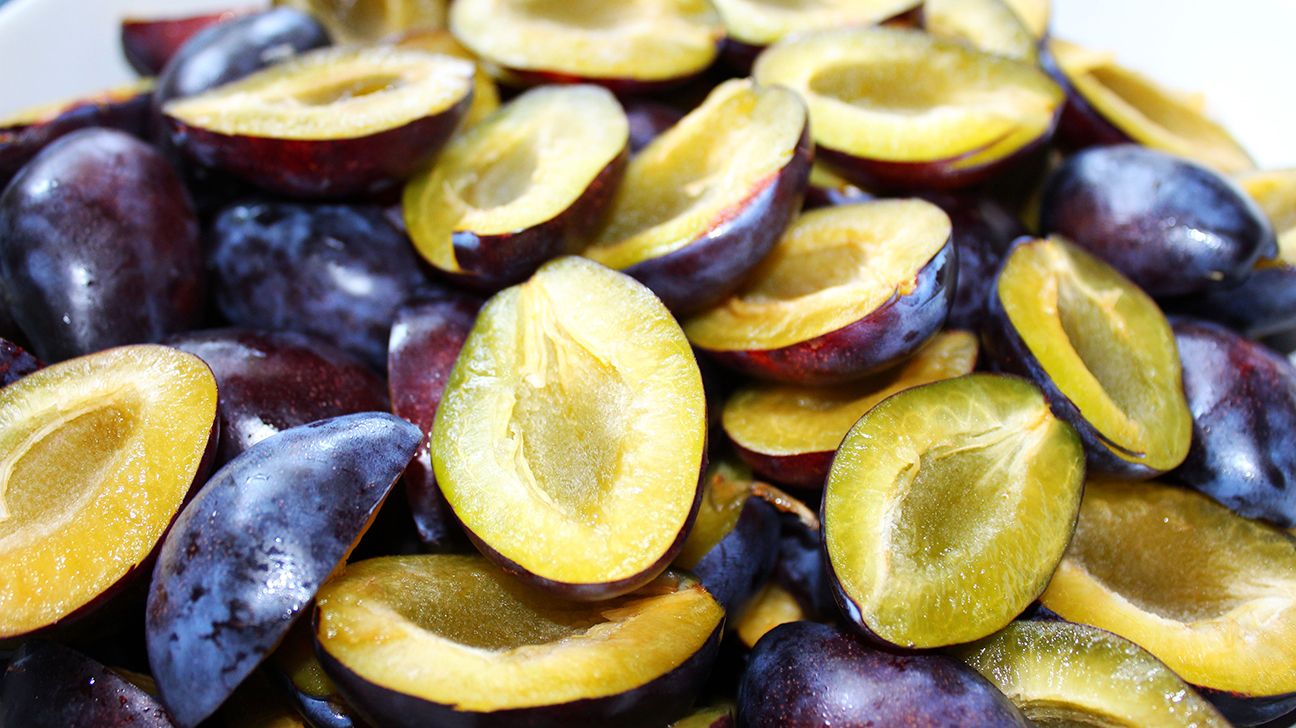
Apples, berries, grapes, plums, and cocoa-based foods deliver the highest flavanol concentrations. Dark leafy greens and other vegetables also contain these protective compounds. The evidence supporting their cardiovascular benefits has grown stronger in recent years.
Flavanols work by improving blood vessel function and reducing inflammation. They help blood vessels maintain flexibility, which keeps blood pressure stable and supports healthy circulation. The compounds also appear to lower cholesterol oxidation, a process linked to plaque buildup in arteries.
Recent studies tracking thousands of people show consistent patterns. Those consuming the most flavanol-rich foods experience lower rates of heart disease and stroke. A 2024 analysis published in peer-reviewed journals found that people eating just one to two servings daily showed measurable improvements in vascular health markers.
The flavanol content varies significantly by food. A medium apple with skin contains roughly 5 milligrams. A cup of blueberries delivers 4-6 milligrams. Dark chocolate with 70 percent cacao or higher provides 12-26 milligrams per ounce. Cooking methods matter too. Raw or lightly steamed vegetables retain more flavanols than heavily processed versions.
Health professionals recommend a straightforward approach: eat the rainbow. Including a variety of colorful produce daily naturally boosts flavanol intake without requiring supplements. The compounds work best as part of a broader healthy diet alongside whole grains, lean proteins, and healthy fats.
Flavanol supplements exist but offer less consistent benefits than whole foods. The complete nutrient profile of fruits and