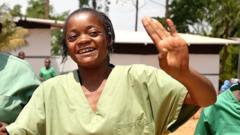
# Ebola Recovery Stories Bring Hope to Congo Outbreak Response
Patient recoveries are emerging as bright spots in the Democratic Republic of Congo's ongoing battle with Ebola, a virus that has claimed over 170 lives in the current outbreak. These survival stories offer crucial moments of encouragement for healthcare workers, families, and communities confronting one of Africa's deadliest diseases.
Ebola virus disease carries a fatality rate between 25 and 90 percent depending on the strain, making each recovery a medical victory. Survivors in the DRC outbreak represent patients who received early supportive care, survived the acute phase of infection, and fought through complications including organ failure and hemorrhaging. The virus attacks the body's vascular system, causing severe bleeding and shock. Those who recover typically spend weeks in isolation units under intensive monitoring.
Healthcare teams working at the outbreak's epicenter face immense psychological pressure. The sight of patients moving toward discharge and returning to their families provides essential morale for nurses, doctors, and support staff who daily confront mortality rates that test their clinical and emotional resilience. For families separated from infected relatives, recovery means reunification and an end to weeks of uncertainty.
The recovery process extends beyond discharge. Survivors often experience long-term complications including joint pain, fatigue, vision problems, and psychological trauma. Some face stigma in their communities, despite scientific evidence that recovered patients pose no transmission risk once they've cleared the virus from their blood.
The DRC's health response relies on contact tracing, safe burial practices, and vaccination campaigns alongside clinical care. Each patient who recovers strengthens confidence in these interventions. Their survival demonstrates that Ebola, while devastating, is not universally fatal with proper infection control and medical management.
These recovery moments matter not only for individual families but for public trust in response efforts during an outbreak that has strained healthcare resources across the region.