Hidradenitis suppurativa (HS) is a chronic inflammatory skin condition that creates painful, boil-like lumps in specific body areas. Unlike infections, HS stems from inflammation of hair follicles and apocrine sweat glands, though secondary infections can develop.
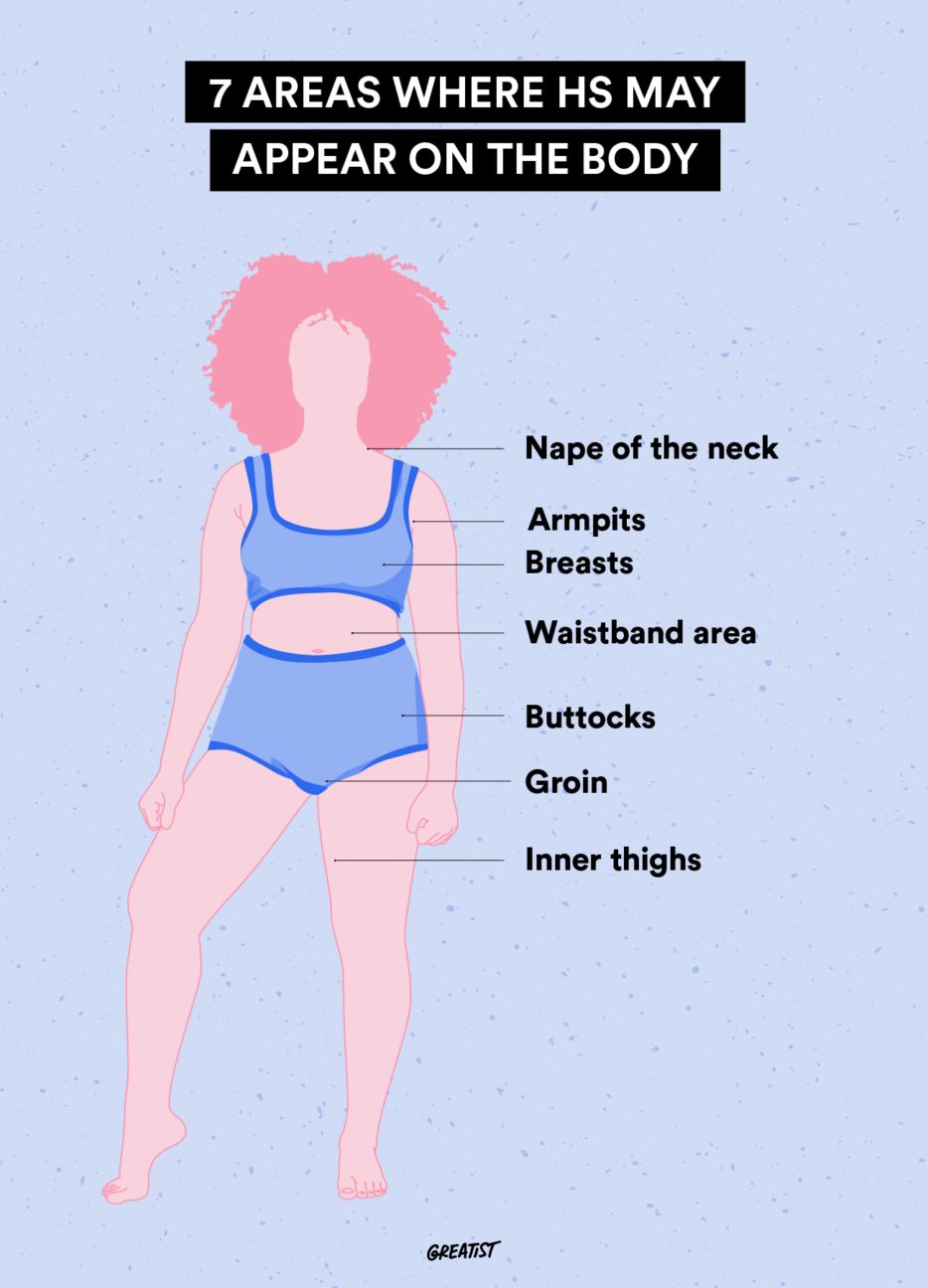
The condition appears most often in areas prone to sweat and friction. The underarms rank as the most common site, followed by the groin, inner thighs, and buttocks. HS also develops under the breasts, along the nape of the neck, and in the waistband area where clothing creates constant rubbing against skin.
Friction triggers flares in many people. Sweat buildup, skin-on-skin contact, and tight clothing all contribute to inflammation. This explains why HS concentrates in body folds and areas where moisture collects.
The exact cause remains unclear, but dermatologists point to genetic, environmental, and hormonal factors working together. People with a family history of HS face higher risk. Hormonal fluctuations during the menstrual cycle can intensify symptoms in people who menstruate. Smoking and obesity also increase disease severity.
HS differs from acne or other skin conditions because it causes recurrent, interconnected lesions that can form tunnels beneath the skin called sinus tracts. These deeper structures make treatment more complex. Some people experience only mild occasional bumps, while others develop severely painful, draining lesions that limit daily activities.
Early diagnosis matters. A dermatologist can distinguish HS from other skin conditions through clinical examination. Treatments range from topical antibiotics and oral medications to biologic drugs that target inflammation. Lifestyle changes like wearing loose clothing, managing moisture, smoking cessation, and weight management also help control flares.
If you notice recurrent, painful lumps in skin fold areas that don't respond