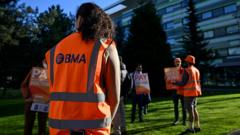
# Resident Doctors in England Plan 16th Strike Over Pay Dispute
Resident doctors in England are set to strike again in June, marking the 16th walkout in an ongoing battle over compensation. The labor action underscores deep frustration within the medical training pipeline, where junior physicians have watched their real wages decline for over a decade.
British resident doctors, also called junior doctors, typically earn between £28,000 and £40,000 annually during their multi-year training programs. These figures have not kept pace with inflation. Since 2008, junior doctor salaries fell roughly 26 percent in real terms when adjusted for living costs, according to the British Medical Association, the physicians' union organizing the strikes.
The strikes began in 2016 when the government attempted to impose new contracts that would have expanded weekend and evening work without corresponding pay increases. That initial dispute lasted 18 months. Negotiations have continued sporadically since then, but the two sides remain far apart on what constitutes fair compensation for the nation's future physicians.
Junior doctors work long hours in demanding environments while undergoing rigorous specialist training. Many accumulate significant student debt. The combination of stagnant pay, rising living costs, and the physical and emotional toll of medicine has driven thousands to consider leaving the profession entirely.
The government has resisted major pay increases, citing budget constraints within the National Health Service. Junior doctors argue that without competitive salaries, the NHS cannot retain talent or attract the brightest medical school graduates. Other countries, including Australia and Canada, have already benefited as British-trained physicians emigrate seeking better compensation.
Each strike disrupts elective surgeries and routine appointments, affecting patient care. The walkouts have become a flashpoint in broader debates about NHS funding and whether the health service can function sustainably with current government investment levels.
The June action represents escalating pressure from doctors unwilling