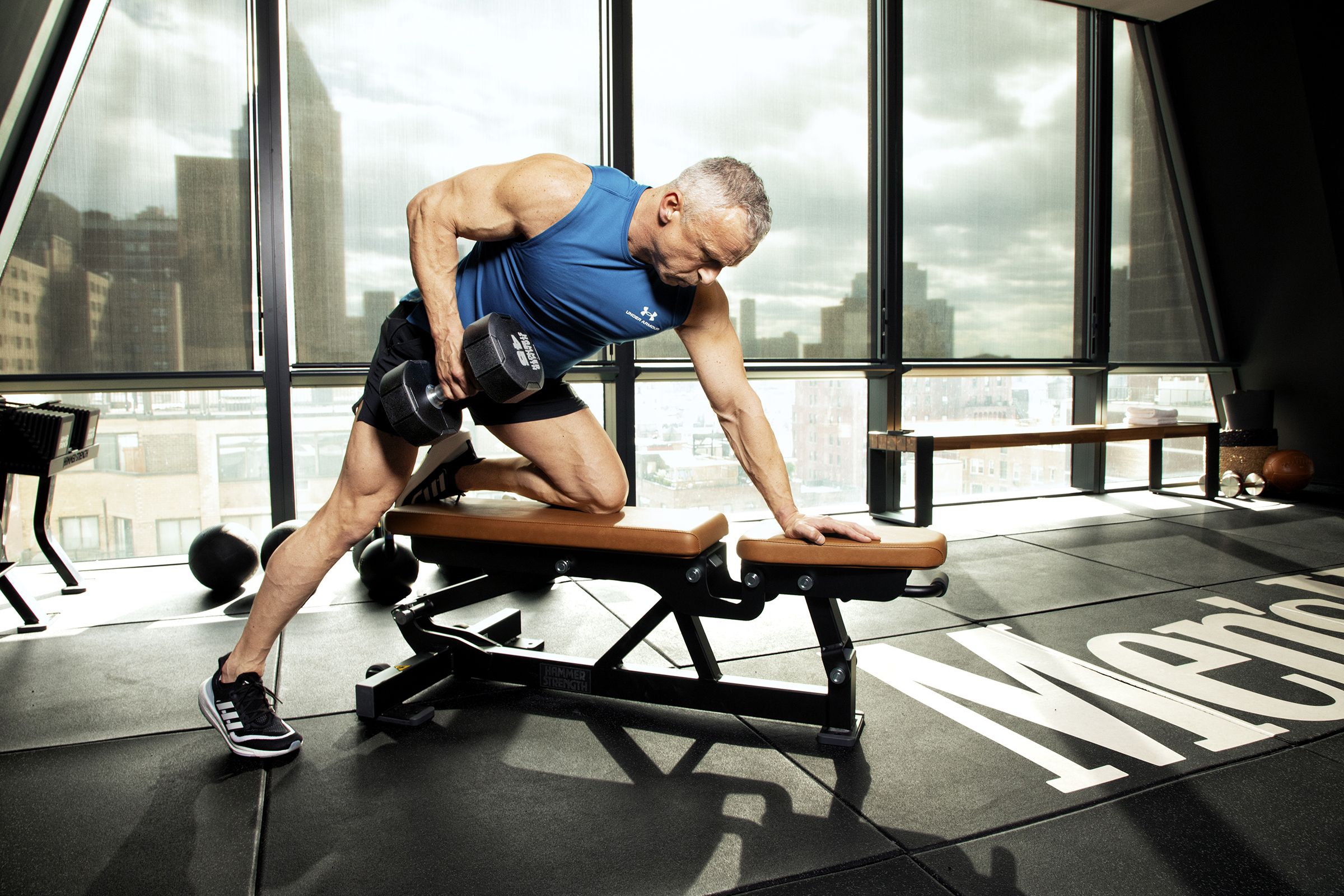
Building muscle after 50 remains entirely achievable, though the body's hormonal landscape shifts. Testosterone naturally declines about 1 percent yearly after age 30, and growth hormone production slows. These changes don't prevent muscle growth, but they require smarter training approaches.
Progressive overload remains the cornerstone of muscle building at any age. Gradually increasing weight, reps, or set volume forces muscles to adapt and grow. Older adults benefit from starting lighter than younger lifters might and progressing more deliberately. A study in the Journal of Applied Physiology found that adults over 60 gained similar muscle mass to younger subjects when following progressive resistance training, though recovery took slightly longer.
Recovery becomes more critical after 50. Protein synthesis—the process that builds new muscle tissue—takes longer in older adults. Consuming adequate protein (around 0.7 to 1 gram per pound of body weight daily) paired with resistance training optimizes this process. Rest between sessions matters too. Most adults over 50 benefit from 48 hours between training the same muscle groups, allowing sufficient adaptation time.
Compound movements deliver the most bang for your effort. Squats, deadlifts, bench presses, and rows engage multiple muscle groups simultaneously, triggering systemic hormonal responses that support muscle growth. These movements also build functional strength applicable to daily life, reducing injury risk. Older lifters should prioritize form and controlled movement over lifting heavy loads initially, then gradually increase intensity as technique solidifies.
Consistency outweighs everything. Research shows older adults who trained resistance twice weekly for 12 weeks added meaningful muscle mass and strength. The body responds to regular stimulus regardless of age. Starting slowly, focusing on perfect form, eating enough protein, and training consistently three times weekly provides a realistic framework for serious muscle gains after 50.
The common belief that muscle building ends at