# Alcohol Consumption Linked to Ultra-Processed Food Cravings
Researchers have identified a biological pathway explaining why alcohol consumption drives cravings for ultra-processed foods. The connection operates through the brain's reward and appetite-regulation systems, according to recent neuroscience findings.
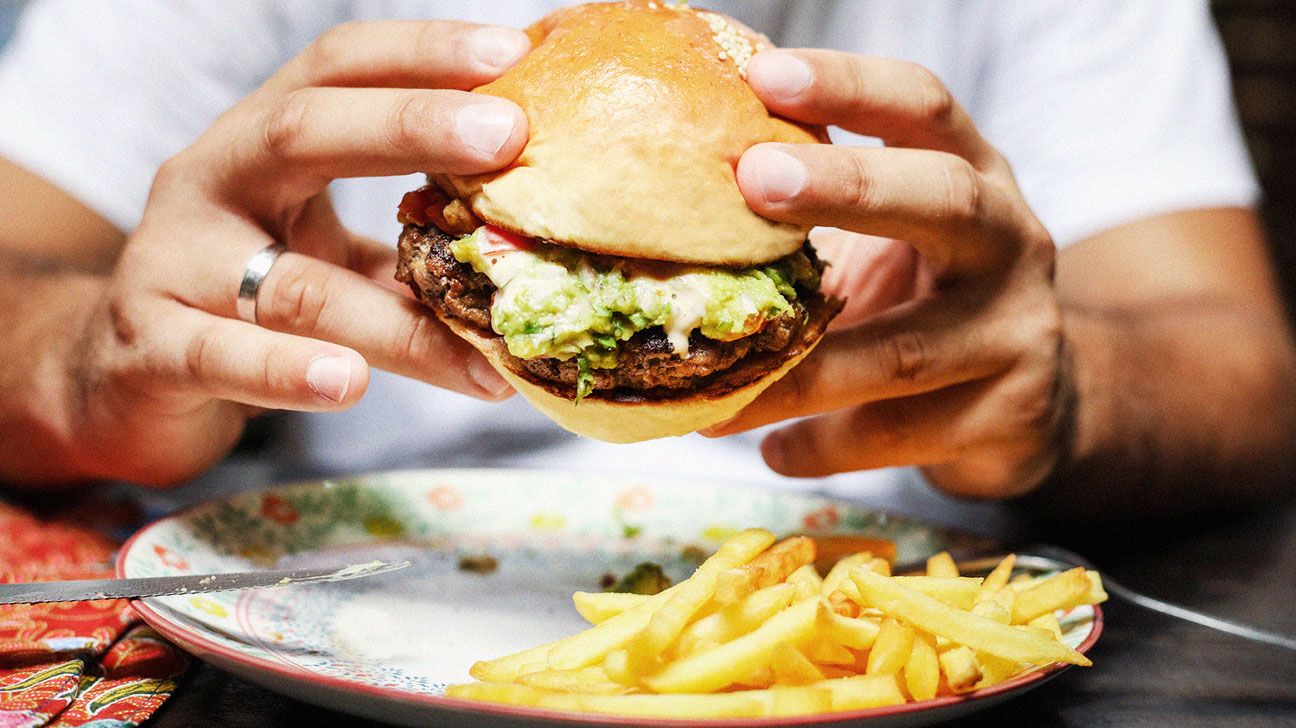
When people drink alcohol, it activates neurons in the hypothalamus, a brain region controlling hunger and satiety signals. Alcohol suppresses the activity of pro-opiomelanocortin (POMC) neurons, which normally signal fullness and discourage overeating. With these "stop eating" signals dampened, the brain becomes more responsive to the sight and smell of high-calorie, ultra-processed foods like burgers and fries.
The mechanism works independently of alcohol's calories. Even moderate alcohol consumption triggers this neural shift, making junk food more appealing regardless of actual hunger levels. This explains the common phenomenon of reaching for greasy snacks after drinking.
The timing matters. Alcohol's appetite-stimulating effects peak within one to two hours of consumption, creating a window when cravings for processed foods intensify. Researchers observed that people who drank alcohol showed significantly greater activation in brain regions associated with food reward compared to those who remained sober.
Ultra-processed foods amplify this effect because their salt, sugar, and fat combinations overstimulate dopamine pathways in the brain, creating a feedback loop. Alcohol weakens the neural brakes that normally resist these hyperpalatable foods, making the combination particularly problematic for weight management.
Understanding this mechanism helps people develop practical strategies. Eating protein-rich foods before drinking can stabilize blood sugar and preserve POMC neuron function. Keeping processed snacks out of the home eliminates temptation during vulnerable moments. Drinking water between alcoholic beverages slows absorption and gives hunger-regulation systems time to