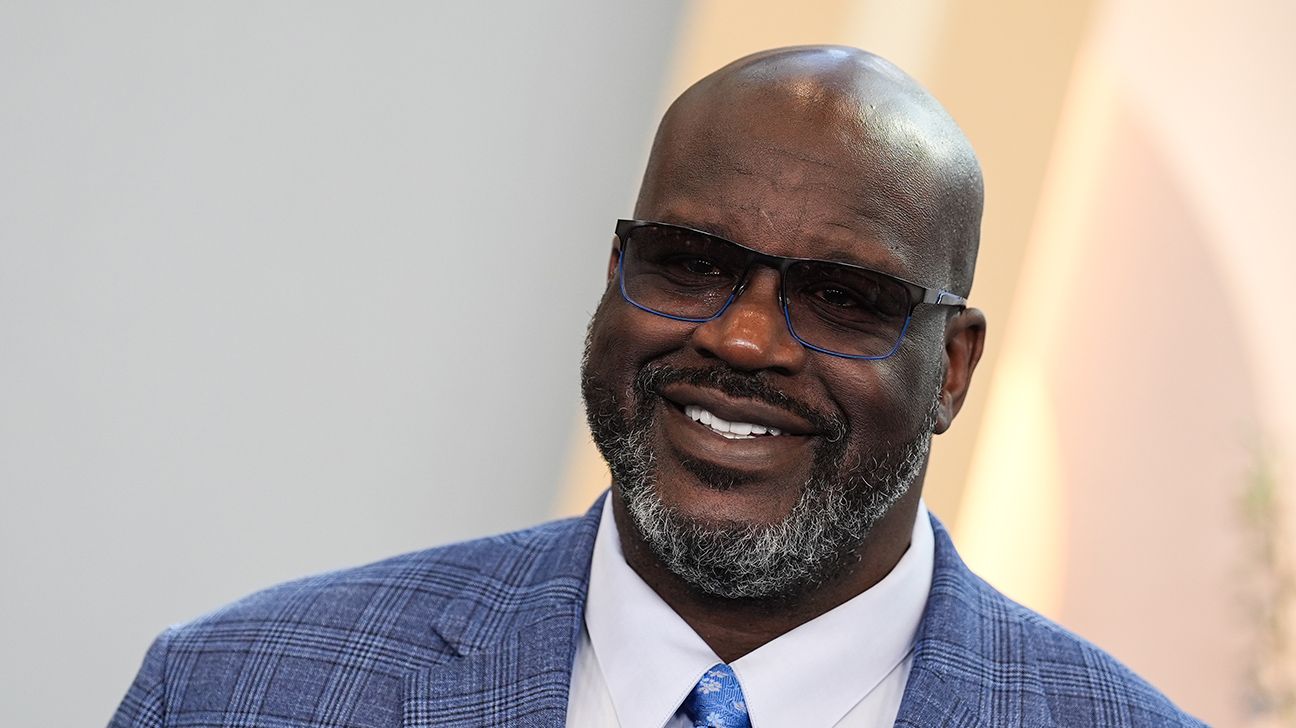
Shaquille O'Neal publicly shared that Zepbound, a GLP-1 receptor agonist medication, helped him lose weight and improve his sleep apnea symptoms. The former NBA star credited the injectable drug with addressing both conditions, which often occur together in people carrying excess weight.
Sleep apnea happens when throat muscles relax during sleep, repeatedly blocking the airway. Obesity increases apnea risk significantly because extra tissue in the neck narrows breathing passages. Zepbound (tirzepatide) works by regulating appetite hormones, helping users eat less and lose weight. When patients shed pounds through medications like Zepbound, breathing passages open more easily, often reducing apnea episodes.
O'Neal's experience aligns with clinical findings. Weight loss of just 5 to 10 percent body weight can reduce sleep apnea severity. Studies show GLP-1 medications produce substantial weight loss, which triggers improvements in sleep quality and breathing patterns. The medication also affects inflammation throughout the body, potentially benefiting airway function independently.
However, Zepbound carries risks. Side effects include nausea, vomiting, and pancreatitis. The medication costs around $1,000 monthly without insurance coverage. It works best combined with lifestyle changes like improved diet and exercise. Some patients regain weight after stopping the drug.
Doctors recommend that anyone with sleep apnea and obesity discuss GLP-1 medications with their healthcare team. A sleep specialist should monitor improvement in apnea symptoms as weight decreases. CPAP machines and other breathing devices remain important treatments alongside weight loss efforts.
O'Neal's public disclosure normalizes conversations about both sleep apnea and medication options for weight management. His endorsement may encourage others with similar conditions to seek professional evaluation and explore available treatments. The connection between weight loss and improved sleep apnea