# GLP-1 Drugs Show Promise for Cardiovascular Protection
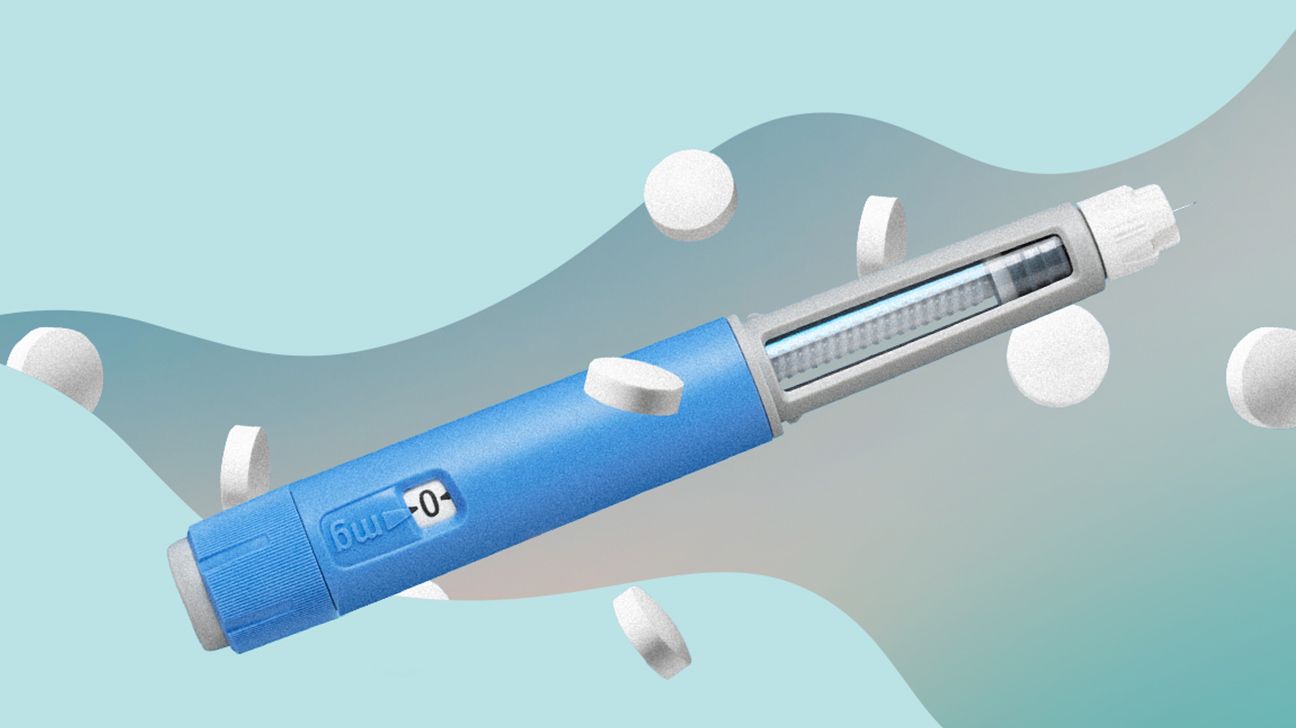
GLP-1 receptor agonists like semaglutide (Ozempic, Wegovy) and tirzepatide (Mounjaro, Zepbound) reduce stroke and heart attack risk in people with type 2 diabetes and obesity, new research confirms.
Studies examining real-world outcomes show these injectable medications cut cardiovascular events beyond what weight loss alone would predict. The protection stems from multiple mechanisms. These drugs lower blood sugar, reduce inflammation, improve cholesterol profiles, and help people shed pounds. Each factor independently benefits heart health, but together they create compound protection.
The cardiovascular benefits emerge quickly. People taking GLP-1s for diabetes or weight management see heart risk decline within months, not years. This timeline suggests the drugs work through metabolic pathways beyond gradual weight reduction.
Cardiologists now view GLP-1 medications as legitimate preventive tools. Patients with type 2 diabetes face elevated heart attack and stroke risk even with normal blood sugar control. GLP-1s address this residual risk directly. For obese individuals without diabetes, the heart protection offers another reason to consider these drugs.
Weight loss remains central to the benefit. Each kilogram shed contributes to lower cardiovascular risk. But the medications appear to offer extra protection through their effects on blood vessel function, blood pressure, and cardiac inflammation.
Side effects limit access for some patients. Nausea, vomiting, and gastrointestinal issues affect many users during initial weeks. Rare cases of pancreatitis have emerged. Cost remains prohibitive for uninsured patients, despite growing insurance coverage.
The research reflects evolving understanding of obesity and heart disease. Rather than viewing weight purely as a cosmetic concern, cardiologists recognize obesity as a disease state that damages the cardiovascular