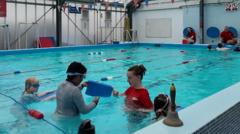
# Swim Club Pushes Schools to Expand Water Safety Education
A swim club has launched a call for expanded water safety instruction in schools, prompting the introduction of a new Water Safety Forum set to roll out across primary and secondary schools beginning this autumn.
The initiative addresses a documented gap in water safety education. Children spend significant time near water during school years, yet formal instruction in water awareness, rescue techniques, and drowning prevention remains inconsistent across institutions. The Water Safety Forum aims to standardize these lessons and ensure all students receive evidence-based training before leaving school.
Water safety experts recognize that drowning remains a leading cause of unintentional injury death in children and young adults. Many drowning incidents occur in familiar settings where supervision exists but water competency proves inadequate. Research from organizations like the Royal Society for the Prevention of Accidents emphasizes that structured water safety education reduces drowning risk substantially.
The forum will likely cover multiple competencies: understanding water hazards, developing survival skills, learning rescue awareness, and recognizing signs of distress in others. Schools implementing comprehensive water safety programs report increased student confidence around water and fewer preventable incidents during school outings and recreational activities.
The initiative reflects growing recognition that water safety cannot rely solely on swimming lessons. While learning to swim builds foundational skills, it doesn't guarantee safety in all water environments. Currents, cold water, panic responses, and unexpected situations require additional knowledge beyond stroke technique.
Implementation across both primary and secondary schools ensures age-appropriate instruction at different developmental stages. Younger children focus on basic water awareness and adult supervision importance, while older students learn rescue principles and peer support strategies.
Schools participating in structured water safety programs report positive outcomes in both knowledge and behavior change. Students demonstrate improved judgment around water and become advocates for safety among peers.
The autumn launch provides schools time to prepare curricula and train staff. This phased approach supports sustainable implementation rather than rushed