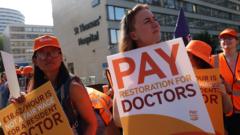
Resident doctors in England have accepted a pay deal from the government, bringing an end to a grueling three-year labor dispute that spawned multiple strike cycles. The agreement concludes a prolonged conflict between junior physicians and health authorities over compensation and working conditions.
The strikes, which began in 2022, represented one of the longest-running labor actions in the National Health Service's history. Junior doctors, also called resident or trainee physicians, walked out repeatedly to demand better pay that reflected inflation and the erosion of their earnings over previous years. The prolonged action created significant strain on hospital operations and patient care across England.
The resolution of this dispute carries implications for the broader healthcare workforce. Junior doctors form the backbone of hospital staffing in the UK, and their discontent had rippled through the NHS, affecting surgical schedules, emergency departments, and routine care. The strikes also highlighted burnout and retention problems in medicine, as lower-paid junior positions often drive talented physicians toward international opportunities or early career exits.
Details of the accepted pay deal have not been fully disclosed in available reporting, though the agreement appears to address core financial grievances that sustained the strikes for three years. The acceptance signals both sides moved toward compromise after extended negotiations.
This resolution arrives as the NHS continues navigating severe staffing shortages and resource constraints. The willingness of junior doctors to settle suggests the deal offered meaningful concessions, though observers will watch closely to see whether improved compensation translates into better retention of early-career physicians and reduced pressure on already stretched hospital teams.
The end of these strikes removes a major source of disruption to English healthcare operations and may help restore stability to hospital scheduling and patient access to routine procedures that faced delays during the labor action.