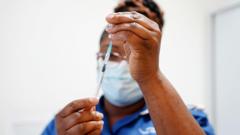
A major public inquiry found that Covid vaccines prevented hundreds of thousands of deaths during the pandemic, calling their rapid development and distribution an "extraordinary feat." However, the report also acknowledges that a small number of people experienced serious adverse effects and require better ongoing support.
The inquiry examined the vaccine rollout across multiple countries and praised the speed of development. Scientists and manufacturers compressed years of typical vaccine development into months without cutting safety corners. Regulators approved vaccines through accelerated but rigorous pathways, reviewing data as it became available rather than waiting for complete trial results.
The benefits were substantial. Vaccination programs prevented hospitalizations and deaths across all age groups, with the elderly and immunocompromised seeing the greatest protection. The report notes that healthcare systems avoided being overwhelmed largely because of high vaccination rates.
Yet the inquiry did not ignore complications. While serious side effects remain rare, documented cases include myocarditis (heart inflammation), blood clots, and neurological conditions in a small percentage of vaccinated people. The report emphasizes that these harms, though uncommon, deserve recognition and care.
Current support systems fall short for those who experienced vaccine injuries, the inquiry found. People struggling with post-vaccination health problems often face dismissal from medical professionals, difficulty accessing specialized care, and insufficient compensation frameworks. Many feel abandoned after experiencing complications they attribute to the vaccines.
The report recommends establishing dedicated clinics for vaccine injury assessment, improving medical training so doctors recognize and treat these conditions properly, and creating clearer pathways for those seeking compensation. Better data collection on adverse events would also help researchers understand who is most vulnerable to complications.
Public health officials must balance transparency about rare harms with confidence in vaccines' overall safety record, the inquiry suggests. Acknowledging that some people were injured does not undermine the vaccines' life-saving role. Rather, comprehensive support for all outcomes strengthens trust in public health institutions and ensures no one is left