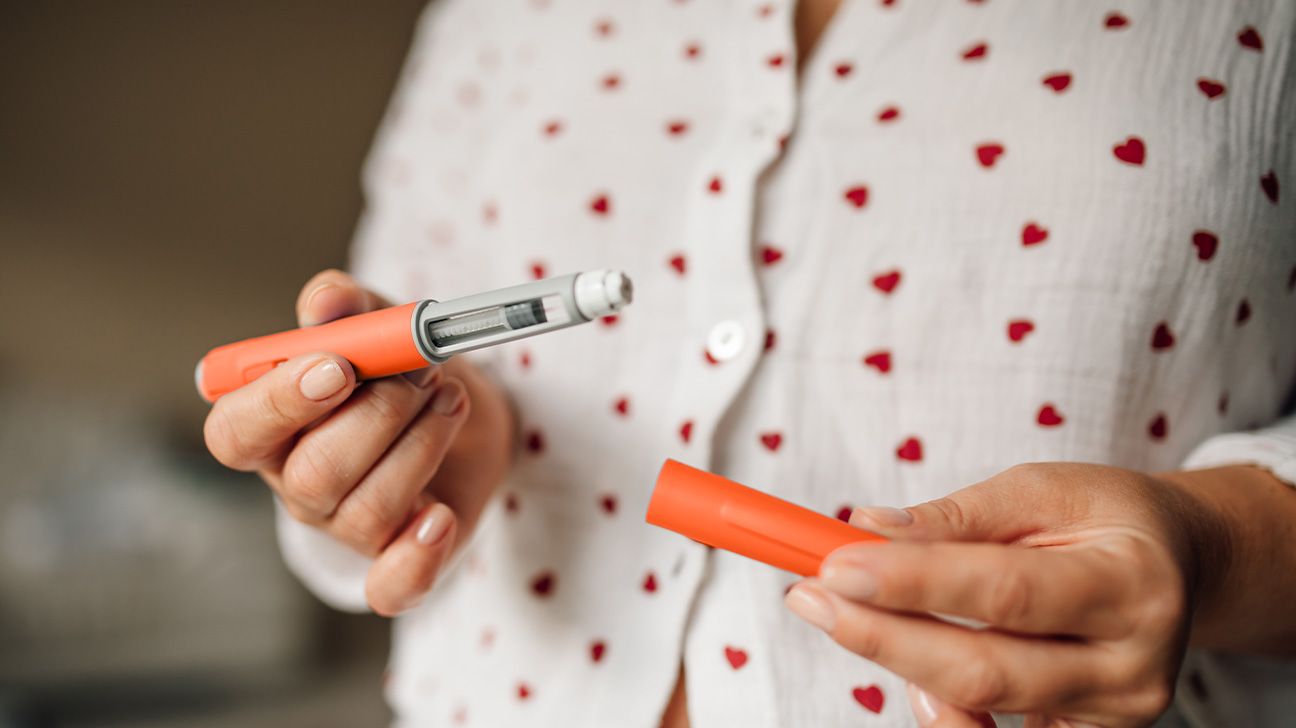
# Zepbound vs. Wegovy: Understanding Two Popular GLP-1 Weight Loss Medications
Both Zepbound and Wegovy contain semaglutide, the same active ingredient that suppresses appetite and improves blood sugar control. The medications work identically at the cellular level. What differs between them is their approval pathway and marketing focus.
Zepbound received FDA approval specifically for weight loss in people without diabetes. Wegovy carries the same indication but was approved first, in 2021, giving it a head start in the market. Both medications use identical dosing schedules, starting at 0.25 mg weekly and increasing to a maintenance dose of 2.4 mg weekly over about four months.
Clinical studies show similar weight loss results for both drugs. Participants typically lose 15 to 22 percent of their body weight over 68 weeks of treatment. The medications work by mimicking glucagon-like peptide-1, a hormone that regulates hunger and blood sugar. They slow stomach emptying and signal fullness to the brain.
Insurance coverage differs between the two medications. Wegovy often faces more restrictive prior authorization requirements, while Zepbound sometimes qualifies under different insurance categories. Patients should check with their specific plans, as coverage varies widely.
Both medications share the same side effects. Nausea occurs in roughly 25 percent of users during the dose escalation phase. Vomiting, constipation, and diarrhea also occur. These effects typically diminish as the body adjusts. Both drugs carry black box warnings about thyroid tumors in animal studies, though no thyroid cancer has been documented in human trials.
Cost presents another consideration. Prices vary based on insurance coverage and pharmacy choices. Without insurance, both typically cost between 900 and 1,300 dollars monthly. This