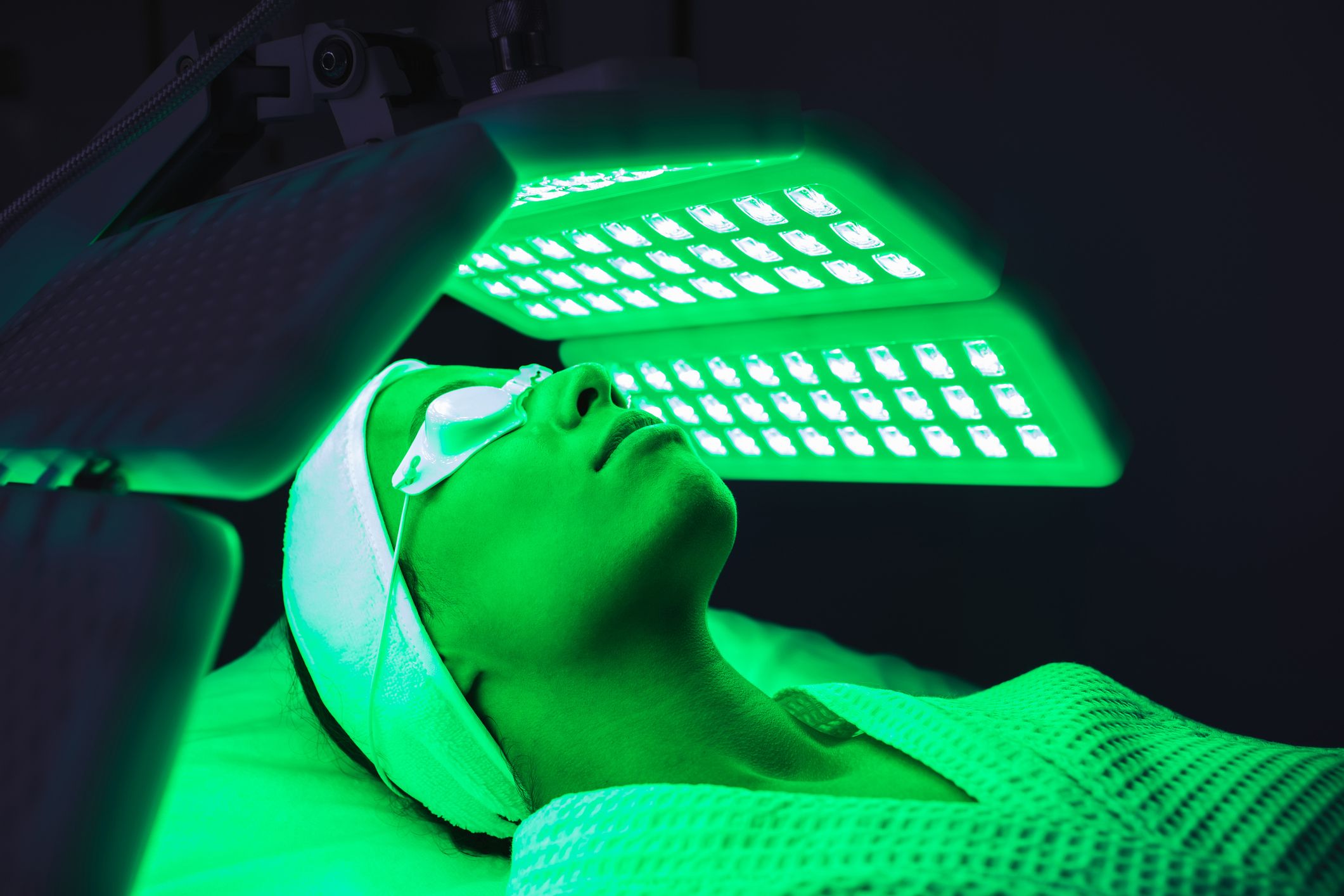
# What Is Green Light Therapy for Skin? Experts Break Down the Latest Wavelength Treatment
Green light therapy represents a newer frontier in dermatology, targeting specific skin concerns like dark spots and hyperpigmentation. Unlike red light, which penetrates deeper into skin tissue, green light wavelengths work primarily in the epidermis and upper dermis, making them particularly effective for addressing surface-level discoloration.
The science behind green light therapy centers on its ability to interact with melanin, the pigment responsible for dark spots and uneven skin tone. When green wavelengths (typically 500-550 nanometers) reach melanin-producing cells, they can disrupt pigment production without damaging surrounding tissue. This targeted approach appeals to dermatologists treating conditions like melasma, post-inflammatory hyperpigmentation, and age spots.
Dr. Heather Rogers, a board-certified dermatologist, notes that green light therapy offers advantages for patients who experience sensitivity to other wavelengths or cannot tolerate laser treatments. The therapy appears gentler than ablative procedures, with minimal downtime and fewer side effects. Most patients report no discomfort during treatment.
Clinical evidence supports green light's efficacy. Research shows that multiple sessions spaced weeks apart produce cumulative results, with many patients observing visible improvement in spot darkness and overall skin clarity within 4-6 weeks. The treatment works synergistically with other approaches, combining well with vitamin C serums or sunscreen regimens.
Green light therapy devices range from professional-grade equipment used in dermatology clinics to at-home masks and panels becoming increasingly available to consumers. Professional treatments typically deliver higher intensity and more precise wavelengths, though quality at-home devices show promise for maintenance between clinic visits.
Safety profiles remain favorable, with few contraindications. Pregnant individuals and those taking photosensit