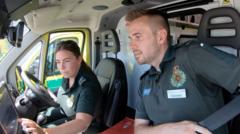
During extreme heat events, emergency services face unprecedented demand as vulnerable populations struggle with rising temperatures. The BBC documented a typical shift with an ambulance crew in Exeter during one of the UK's longest heatwaves, revealing how many people underestimate heat-related health risks.
Paramedics reported increased callouts for heat exhaustion, dehydration, and heat stroke. Older adults, those taking certain medications, and people with existing health conditions face the highest danger during sustained high temperatures. The crew emphasized that many callers did not recognize their symptoms as heat-related until paramedics arrived.
Heat stress affects the body's ability to regulate core temperature. When outdoor temperatures soar and humidity remains high, the body cannot cool itself efficiently through sweating. This leads to rapid progression from heat exhaustion to heat stroke, a medical emergency that can cause organ damage and death if untreated.
Paramedics noted specific vulnerability patterns. Medications like diuretics and antihistamines impair the body's cooling response. Obesity, cardiovascular disease, and diabetes increase heat susceptibility. Socioeconomic factors matter too. People living in poorly insulated housing without air conditioning face compounded risk.
The Exeter crew highlighted preventive measures residents overlooked. Drinking water consistently throughout the day, avoiding peak heat hours between 11am and 3pm, and checking on neighbors proved essential. Yet public awareness remained low despite heatwave warnings.
Climate change is intensifying heat events in the UK. Rising temperatures are shifting what once seemed like rare emergencies into recurring seasonal challenges. Ambulance services across the country report similar patterns as heatwaves grow more frequent and severe.
The paramedics stressed that people interpret heat symptoms as minor inconveniences rather than warning signs. Dizziness, nausea, or confusion during hot weather demands immediate attention and cooling measures. Waiting for severe