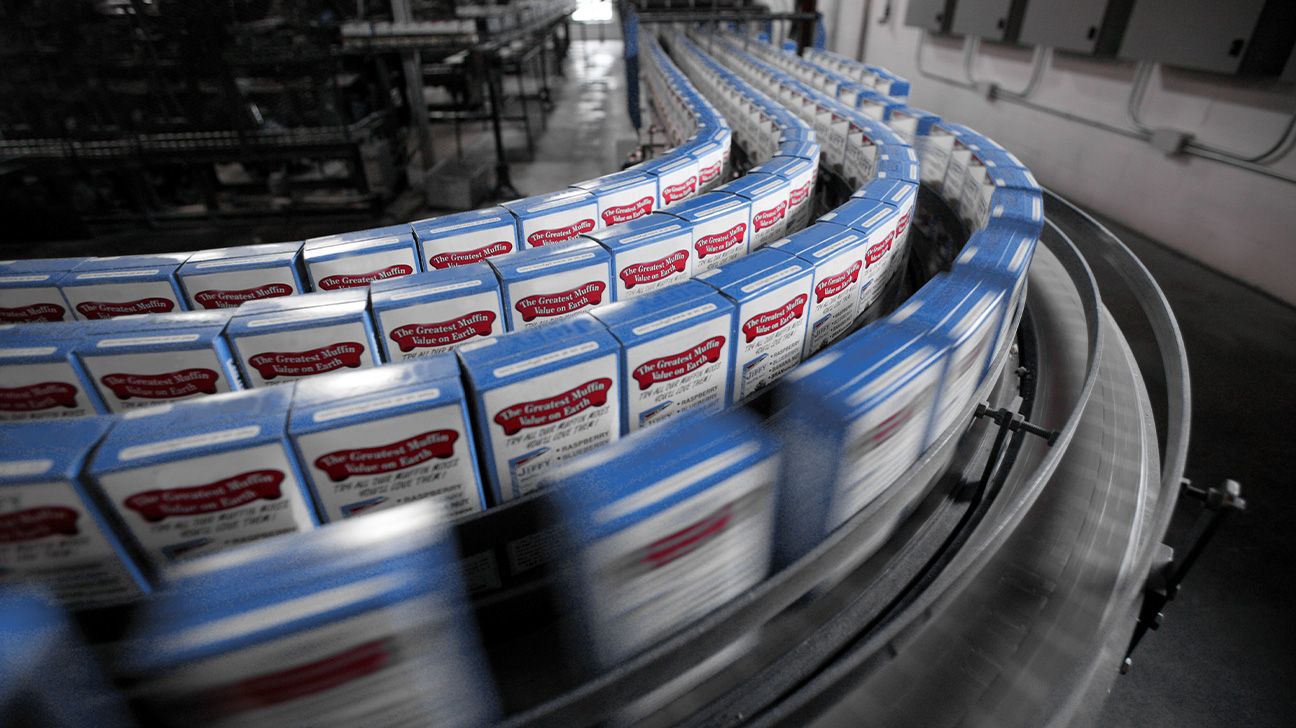
# How Ultra-Processed Foods Are Made Matters as Much as What's in Them
The manufacturing process itself—not just the ingredient list—shapes how ultra-processed foods affect your body. Researchers now understand that the physical and chemical changes foods undergo during factory processing create health risks that go beyond simple calorie or sugar counts.
When manufacturers process foods at high temperatures, apply mechanical shearing forces, or use chemical treatments, they fundamentally alter the food's structure and how your digestive system handles it. These transformations can damage fiber, reduce nutrient bioavailability, and create new compounds that whole foods never contain. A cake mix moving down a factory line experiences pressures and temperatures that transform flour, oils, and other ingredients into something biochemically different from what you'd bake at home.
Food scientists have documented that ultra-processing breaks down cell walls and fiber networks, making foods easier to eat quickly but harder for your body to process normally. This rapid absorption can spike blood sugar and insulin levels more dramatically than eating the same ingredients in their original form. The mechanical disruption also affects satiety signals, meaning your brain receives fewer "I'm full" messages, encouraging overconsumption.
The manufacturing process also creates compounds called neo-formed contaminants—substances that don't exist in nature and weren't intentionally added. These emerge from the chemical reactions triggered by heat, pressure, and industrial ingredients. Your body treats these unfamiliar molecules differently than naturally occurring compounds, potentially triggering inflammatory responses.
This matters because two ultra-processed foods with identical nutrition labels can affect your health differently depending on how they were made. One product might use high-temperature extrusion while another uses gentler processing. That difference translates into different metabolic outcomes.
Understanding this shift how consumers and health professionals should evaluate packaged foods. Reading ingredient lists remains important, but asking how foods were made offers equally valuable insight. The processing