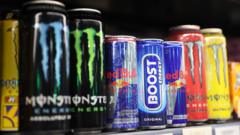
England will ban the sale of high-caffeine energy drinks to children under 16 starting in April 2025. The prohibition targets beverages with elevated caffeine content, while lower-caffeine soft drinks remain unaffected.
The ban reflects growing concern about energy drink consumption among young people. Health officials point to evidence linking high-caffeine beverages to adverse effects in children, including sleep disruption, increased heart rate, and behavioral problems. Adolescents lack the metabolic maturity of adults, making them more vulnerable to caffeine's stimulant effects.
The Department of Health and Social Care initiated this policy after reviewing data on youth energy drink consumption patterns. Retailers who sell banned energy drinks to minors face penalties. The restriction applies to beverages exceeding a specific caffeine threshold, though exact limits remain defined in regulatory guidance.
This move aligns with public health campaigns highlighting risks associated with excessive caffeine intake in developing bodies. Energy drink manufacturers have already begun reformulating products or creating youth-focused lines with reduced caffeine to comply with the upcoming regulation.
Parents and schools have welcomed the measure. Teachers reported increased behavioral issues and difficulty concentrating in students who consume multiple energy drinks daily. The ban removes these products from easy reach in convenience stores, supermarkets, and vending machines frequented by minors.
Other countries have implemented similar restrictions. In 2013, Denmark banned energy drink sales to under-16s. Sweden and some regions in the United States have adopted comparable age-restriction policies with varying caffeine thresholds.
Supporters note the ban protects developing cardiovascular and nervous systems during critical growth periods. Critics argue the policy places responsibility on retailers rather than addressing broader consumption habits and advertising practices targeting youth.
The April 2025 deadline gives retailers and manufacturers time to adjust inventory and compliance procedures. The government plans public education campaigns explaining the health rationale to young people and families.