# Female Veterans Support Group Expands National Reach
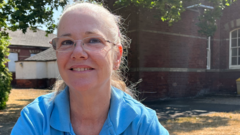
Chelley Tulloch served as a Royal Air Force medic before transitioning to civilian life. Like many female veterans, she faced unique challenges after leaving the military. A peer-led support group has now helped Tulloch and 47 other female veterans navigate the transition home.
Female veterans often experience distinct mental health challenges compared to male counterparts. They report higher rates of post-traumatic stress, depression, and difficulty reintegrating into civilian employment and family structures. Yet dedicated resources for this population remain scarce across the country.
The support group uses peer connection as its foundation. Veterans who have already navigated civilian life guide newer members through similar struggles. This approach builds on established research showing that peer support reduces isolation and accelerates healing. When veterans connect with others who understand military culture and its aftermath, therapeutic outcomes improve.
The group now operates across multiple locations, expanding beyond its original base. This growth reflects both the demand for female-focused veteran services and the model's effectiveness. Members report improved mental health outcomes, stronger employment prospects, and restored confidence in relationships.
Beyond emotional support, the group connects members with practical resources. Employment coaching, housing assistance, and mental health referrals help veterans address concrete barriers to civilian success. This combination of peer connection and tangible support creates lasting change.
The expansion underscores a critical gap in veteran services. Female veterans represent a growing percentage of the armed forces, yet receive disproportionately lower funding and attention than male veterans. Groups like this one fill that gap while demonstrating what targeted, evidence-based peer support can achieve.
Chelley Tulloch's journey with the group illustrates the impact. Veterans like her benefit from connection with women who share similar experiences, understand military identity, and can model successful transitions. As the group continues expanding nationally, more female veterans gain access to support that honors