# What Are 'Ozempic Feet?' Doctors Explain Latest GLP-1 Side Effect From Weight Loss
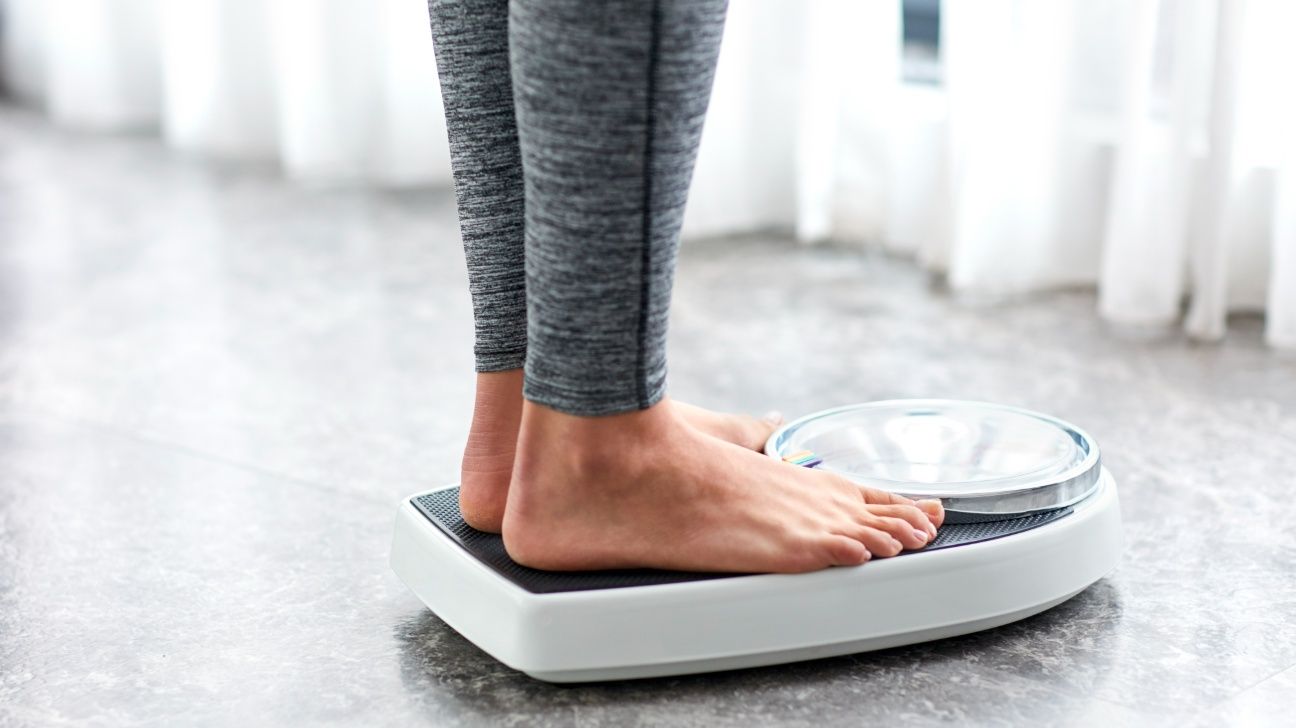
A new side effect has emerged among people taking GLP-1 receptor agonists like Ozempic and Wegovy for weight loss. Dermatologists and podiatrists report cases of "Ozempic feet," a condition involving sagging skin on the feet and ankles after rapid weight loss.
The phenomenon occurs because GLP-1 medications like semaglutide work quickly to reduce body weight. When people lose weight rapidly, the skin on their feet and lower legs sometimes lacks elasticity to bounce back. The excess skin creates a wrinkled, deflated appearance similar to what happens elsewhere on the body during fast weight loss.
Dr. Saira George, a dermatologist, notes that the feet contain less fat than other body areas, so when weight drops quickly, the skin becomes loose and saggy. The issue affects not just aesthetics but also function. Loose foot skin can create friction in shoes, leading to blisters and discomfort during walking or exercise.
The condition differs from other GLP-1 side effects like nausea, constipation, and pancreatitis. Ozempic feet appears to be a cosmetic and comfort concern rather than a serious medical problem, though it can impact quality of life and body image.
Treatment options remain limited. Dermatologists suggest moisturizing creams, compression socks, and well-fitted footwear to manage discomfort. For those bothered by the appearance, surgical options like skin tightening procedures exist but require consultation with plastic surgeons.
Doctors emphasize that Ozempic feet develops only with rapid weight loss and appears reversible over time as skin adjusts. Slower weight loss through combining GLP-1 therapy with consistent