# TikTok's 3-Color Rule: What Science Says About Rainbow Eating for Weight Loss
A viral TikTok trend called the "3-Color Rule" encourages people to eat foods of three different colors at each meal. The premise is simple. Colorful foods contain different phytonutrients and antioxidants. Eating variety boosts metabolism and supports weight loss.
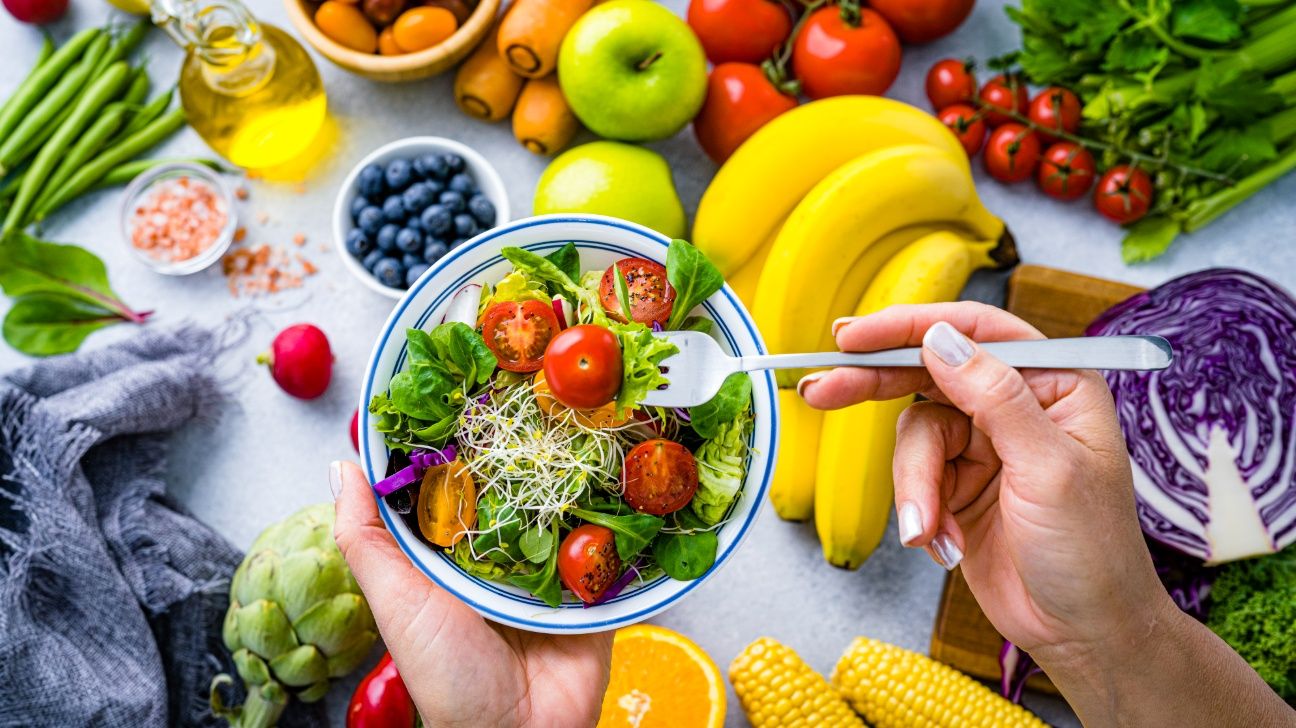
The science behind this approach has merit, though the trend oversimplifies it. Different colored produce contains distinct beneficial compounds. Red tomatoes contain lycopene. Orange sweet potatoes deliver beta-carotene. Green leafy vegetables offer lutein. Blue berries provide anthocyanins. Eating across the color spectrum ensures exposure to a wider range of nutrients.
Research supports the benefits of varied produce intake. A study published in the American Journal of Clinical Nutrition found that people who consumed more colorful vegetables had better metabolic markers and lower body weights. The diversity of nutrients in colorful foods supports satiety and reduces calorie intake naturally.
However, the weight loss connection isn't automatic. The 3-Color Rule works best when combined with overall calorie awareness and portion control. Nutritionist Sarah Grodsky explains that the rule serves as a practical reminder to diversify your plate rather than a magic formula. "It's a helpful heuristic for eating balanced meals," she notes.
The rule also assumes all color combinations are equal, which isn't entirely accurate. Eating three colors of ultra-processed foods won't yield the same results as whole foods. A chocolate cake with red food coloring and blue sprinkles won't replicate the benefits of red peppers and blueberries.
For practical application, the 3-Color Rule works as a framework for meal planning. Aim for at least three different colored vegetables or fruits at lunch and dinner. Include proteins and whole gr