# How Going to the Movies and Museums May Help Slow Biological Aging
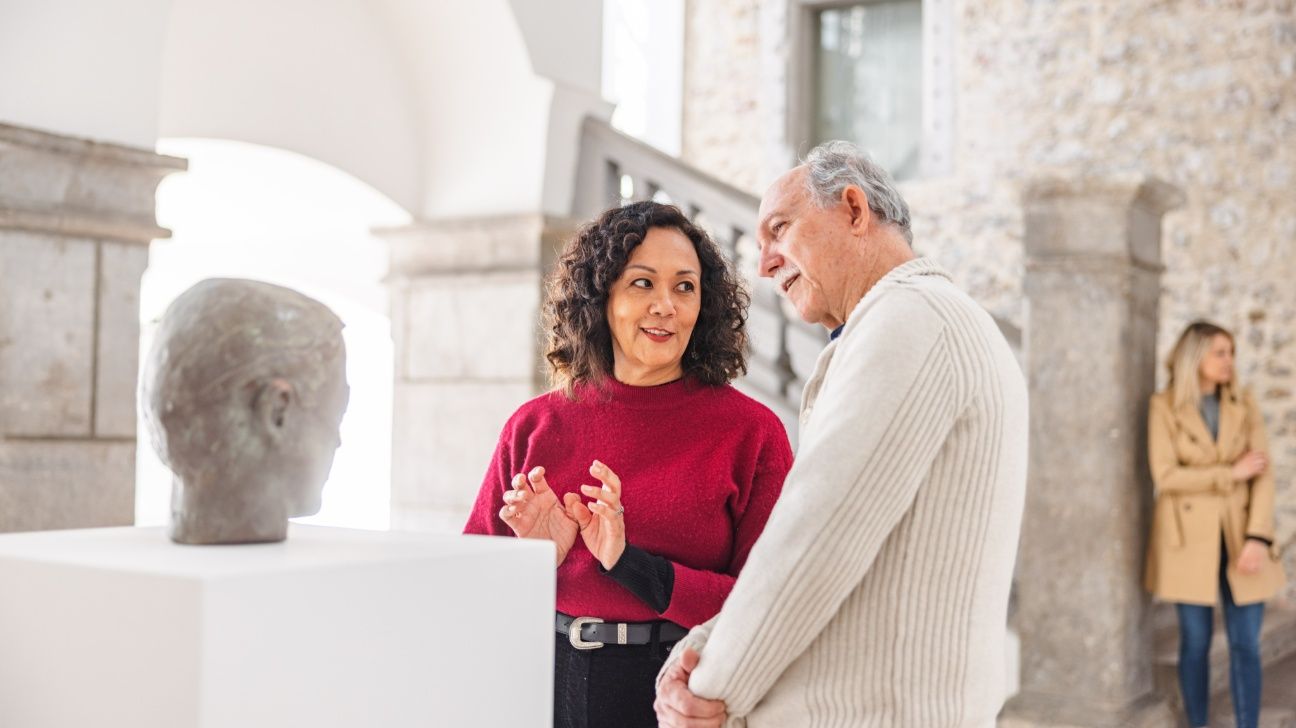
A new study reveals that visits to cultural venues like movies and museums correlate with slower biological aging. Researchers tracking adults over time found that people who regularly attended these cultural experiences showed reduced aging markers compared to those who rarely visited.
The study measured biological age through epigenetic clocks, which assess DNA methylation patterns that reflect how quickly cells deteriorate. Adults who visited movies or museums at least once monthly demonstrated measurably slower aging progression than peers who went less than once yearly.
This connection likely stems from multiple mechanisms. Cultural experiences engage the brain intensively, stimulating cognitive function and emotional processing. They also provide social interaction, reduce stress, and offer mental stimulation, all known protective factors against accelerated aging. Museums and theaters require physical movement and spatial navigation, adding gentle exercise to the experience.
The research builds on earlier findings linking cognitive engagement and social connection to longevity. Studies consistently show that mentally stimulating activities and strong social bonds extend both lifespan and healthspan, the years lived in good health.
Importantly, the benefits accumulate with frequency. Monthly attendance showed stronger protective effects than occasional visits. The type of cultural activity mattered less than consistent engagement with intellectually enriching environments.
Researchers emphasize this finding offers an accessible intervention for aging well. Unlike expensive supplements or intensive fitness programs, visiting museums or catching a movie requires minimal physical demand while delivering measurable health returns. The activity combines recreation with biological benefit.
The study tracked diverse age groups, though effects appeared strongest in middle-aged and older adults whose biological aging rates show greater variation. Younger adults already tend to visit cultural venues more frequently.
These findings add cultural engagement to the established toolkit for healthy aging, which includes exercise, quality sleep, social connections, and cognitive challenge. For people seeking practical ways to slow biological aging, regular cultural outings offer both immediate enjoy