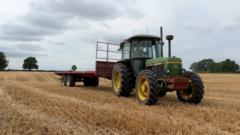
# Farmer Highlights Mental Health Struggles in Agricultural Community
A young farmer known as "Tom the Young Farmer" has opened up about mental health challenges facing agricultural workers, emphasizing the need for peer support within farming communities.
Speaking with BBC Radio Shropshire, Tom stressed the importance of checking in on fellow farmers. His message points to a broader crisis in rural communities where isolation, financial pressure, and physical demands create conditions ripe for depression and anxiety.
Farmers face unique stressors that distinguish their mental health challenges from other professions. Long hours, unpredictable weather affecting crop yields, volatile commodity prices, and geographic isolation combine to create sustained psychological pressure. Many agricultural workers operate far from mental health services and may lack access to counseling or therapy. The physical toll of farming compounds these difficulties, with injury rates and chronic pain adding to emotional burden.
Tom's call for peer support reflects growing recognition that informal networks often serve as first-line mental health infrastructure in farming communities. Research shows that men in agriculture experience higher suicide rates than the general population, yet often hesitate to seek professional help due to cultural norms emphasizing self-reliance and stoicism.
His message resonates with organizations like the Farm Community Network and Farming Help, which have expanded services to address rising mental health concerns among rural workers. These groups recognize that farmers are more likely to confide in peers than strangers, making community-based support structures essential.
Tom's openness about mental health in agriculture helps normalize conversations that farming culture has traditionally discouraged. By encouraging farmers to check on friends and colleagues, he models the kind of practical intervention that can prevent crises. The message is straightforward: mental health matters in farming just as it does anywhere else, and looking out for each other works.