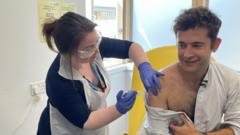
Ed Hunt, a 37-year-old from the United Kingdom, became the first person to receive an experimental Ebola vaccine as part of a clinical trial. Hunt volunteered after learning about the deadly Ebola outbreak affecting the Democratic Republic of Congo.
The trial marks a pivotal moment in vaccine development against one of the world's most lethal viruses. Ebola hemorrhagic fever kills up to 90 percent of infected people in some outbreaks, making prevention through vaccination a public health priority. Researchers have worked for years to create a safe and effective immunization against the virus, which spreads through direct contact with blood or body fluids of infected people.
Hunt's participation demonstrates public commitment to advancing medical science during a health crisis. Volunteers in vaccine trials face unknown risks, yet they provide essential data about safety and immune response. Their willingness to participate accelerates the timeline for potentially life-saving treatments to reach populations at greatest risk.
The experimental vaccine represents years of laboratory research and preclinical testing before human trials began. Developers designed it to trigger immune system recognition of Ebola virus proteins without causing actual infection. Early data from animal studies showed promise, but only human trials reveal how the vaccine performs in real bodies and whether side effects emerge.
The DR Congo outbreak that prompted Hunt's volunteer effort underscores why Ebola vaccine development matters. Healthcare workers, family members of patients, and community members face constant exposure in outbreak settings. A proven vaccine could interrupt transmission chains and prevent healthcare system collapse in affected regions.
Hunt's first-dose experience will be documented carefully. Researchers will monitor his immune response, track any adverse reactions, and assess whether his body develops antibodies against Ebola. Additional volunteers will follow, building a safety and efficacy database that regulators need before approving vaccines for wider use.
This trial represents a collaboration between academic researchers, pharmaceutical companies, and public health agencies